REVIEW · ALGARVE
Ria Formosa National Park: Kayak Trip
Book on GetYourGuide →Operated by Formosamar · Bookable on GetYourGuide
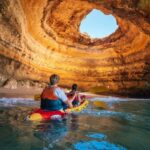
Paddle into the Algarve’s quiet wild side. On a Ria Formosa kayak trip, I love the chance to move at your own pace through protected waters, and I especially like how the trip is built around spotting wildlife up close. One thing to consider: you’re on the water for 2 hours, so if you don’t enjoy getting wet, you may want to plan for it.
You’ll get professional guidance right away, starting in very calm water so you can build confidence fast, even if this is your first paddle. You’ll then head into the marshes and toward small islets, passing working clam farms along the way, with live commentary to tie what you’re seeing to the place. Just note it’s not a great fit for non-swimmers, people with mobility impairments, or kids under 5.
In This Review
- Key takeaways
- Ria Formosa By Kayak: Why This Protected Lagoon Feels Different
- The First 30 Minutes: Faro Departure and Your Paddling Lesson
- Marshlands and Small Islets: Where the Tour Really Takes Off
- Clam Farmers and Lagoon Life: Seeing Work and Wildlife Together
- Wildlife Spotting in Ria Formosa: Birds and Sea Life Without the Stress
- What It’s Like on the Water: Calm, Wet, and Surprisingly Fun
- Gear and Clothing: What to Bring for Spring Through Winter
- Where to start
- Price and Value: Is $58 for 2 Hours Worth It?
- Who Should Book This Kayak Trip—and Who Should Skip It
- Should You Book the Ria Formosa National Park Kayak Trip?
- FAQ
- How long is the Ria Formosa kayak trip?
- Where do I meet for the tour?
- What’s included in the $58 price?
- Is hotel pickup and drop-off included?
- Do I need to know how to swim?
- What languages are available for the guide?
- What should I bring?
Key takeaways
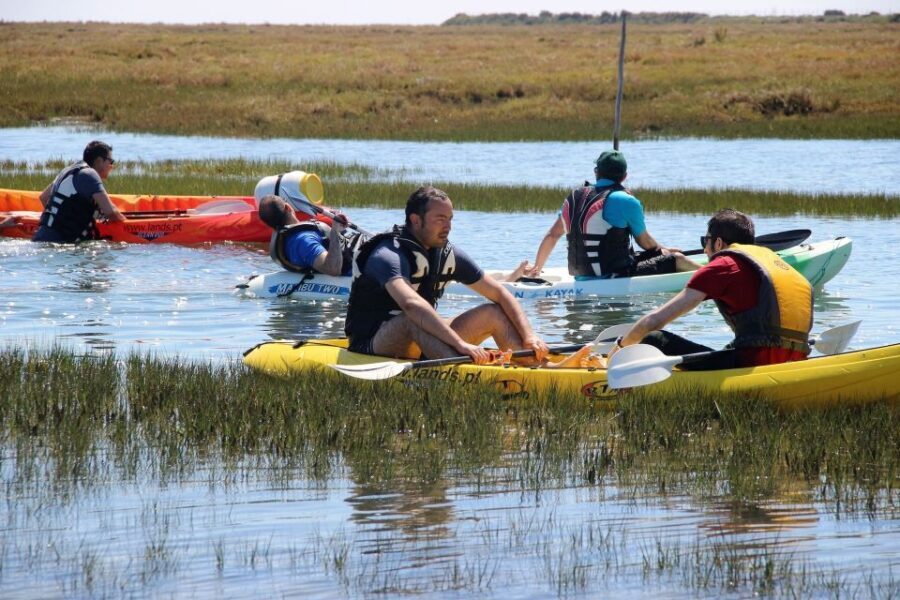
- Calm-water coaching first: You start in sheltered lagoon water to learn the kayak basics before heading into the marshes.
- Clam farms you actually pass by: You’ll see local work in the water, not just wildlife from a distance.
- Small islets and quiet corners: You get to paddle where other tours don’t linger.
- Wildlife spotting with a purpose: Birdlife is a big focus, and the guide helps you look in the right places.
- Double kayaks, shared work: You’ll paddle a double kayak setup, so teamwork and coordination matter.
Ria Formosa By Kayak: Why This Protected Lagoon Feels Different
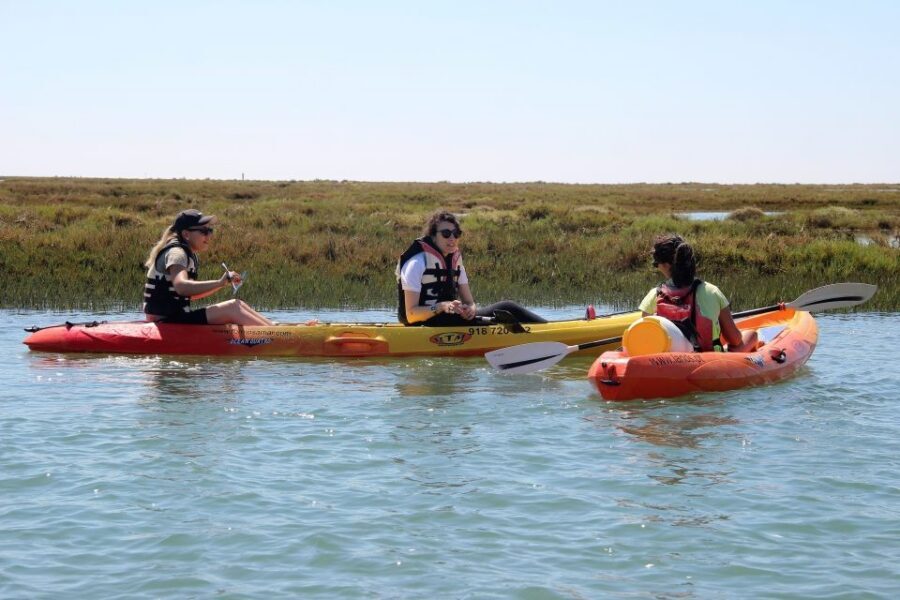
Ria Formosa is one of those rare places where nature stays in charge. This protected system on Portugal’s southern tip blends marshlands, water channels, and small islets, so the scenery keeps changing without feeling chaotic. Instead of chasing waves or big viewpoints, you glide—slow enough to notice birds lifting off, water birds stepping through shallow areas, and the steady rhythms of the lagoon.
What makes kayaking such a strong choice here is control. On a kayak, you don’t just look at the lagoon—you become part of it. A small shift in your stroke changes your angle, and that helps you get closer to the edges of marshland where life tends to concentrate. The best part is that the trip stays practical: you’re guided to make progress, but you still get personal time on the water.
Other ria formosa tours we've reviewed in Algarve

The First 30 Minutes: Faro Departure and Your Paddling Lesson
The tour starts by leaving Faro and heading toward the lagoon area of Ria Formosa. Before you enter the marshes and islets, you get a quick lesson on handling the kayak. This matters more than it sounds, because calm conditions can still feel strange at first—kayaks turn differently than boats, and water movement can tug you if you don’t set your technique.
The goal is simple: get your bearings fast. You’ll learn how to steer, how to use your paddle efficiently, and what the guide expects from the group. Since the start is in waters with no waves, it’s the ideal training ground. If you’ve never kayaked, you’ll still feel comfortable by the time you transition into the more interesting parts of the park.
I like this approach because it removes stress. You’re not thrown into a setting that demands total confidence. Instead, you build it in the place where you’ll want to relax and enjoy the wildlife soon after.
Marshlands and Small Islets: Where the Tour Really Takes Off
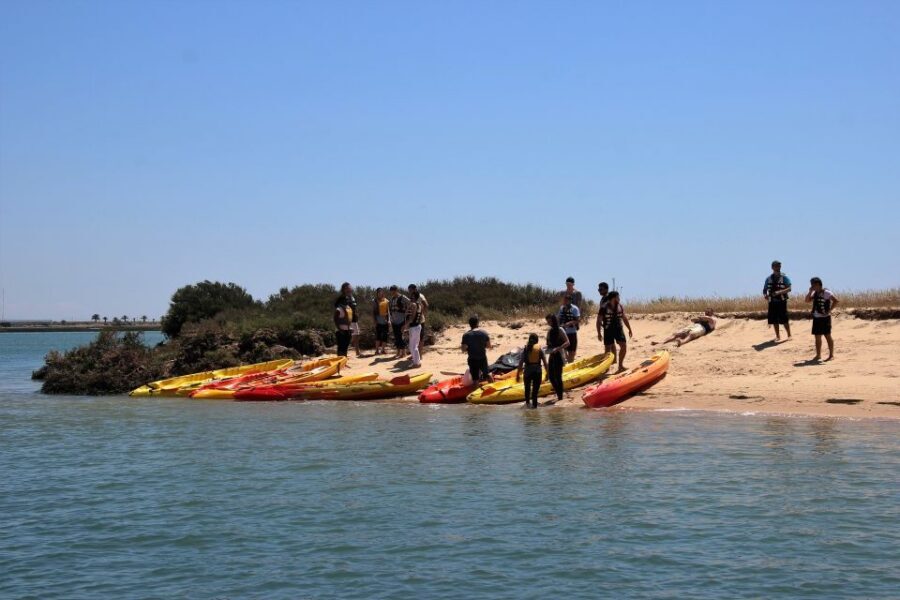
Once you reach the national park area, the paddling becomes the main event. You pass people working in the clam farms and then head toward a small islet with your group.
That stop structure is smart. The clam farm section gives the tour a human, working-nature dimension. It’s not just scenery—you see that this lagoon supports livelihoods. Then the islet segment changes the pace again: you’re moving from the working water into a quieter pocket where birds and sea life are more likely to show themselves.
The trip is described as moving straight toward the islet once you enter the park, so don’t expect a long sightseeing script. You’ll be out there, paddling with purpose, following your guide’s direction while still enjoying the freedom of your own route.
Clam Farmers and Lagoon Life: Seeing Work and Wildlife Together
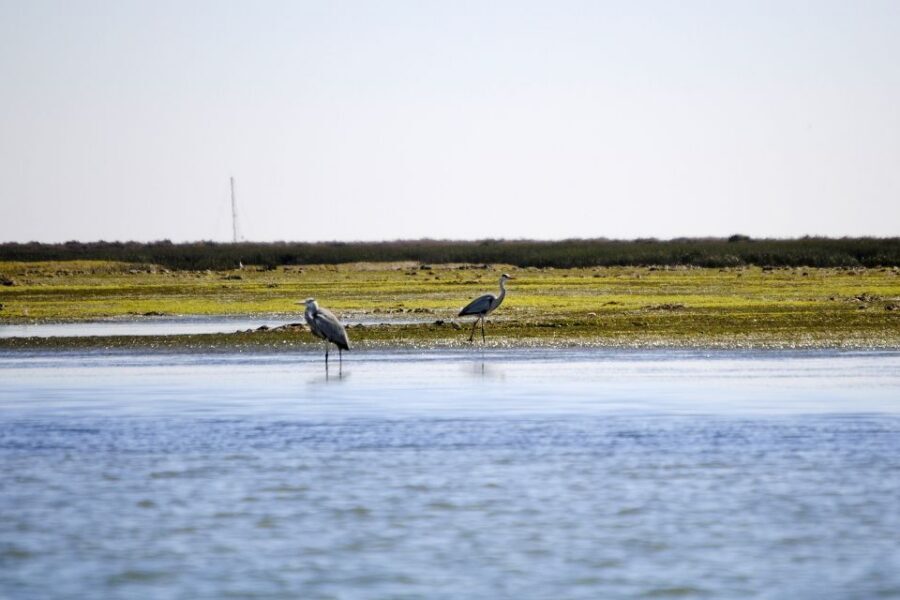
One of the coolest details here is that you don’t just get birdwatching—you also get a glimpse of the way clam farming fits into the lagoon environment. As you paddle, you’ll pass working clam farms, which makes the whole place feel real and active rather than staged.
This matters for your enjoyment because it changes how you look. Instead of only scanning for animals, you start noticing the water conditions and the edges where farming happens. And that pairs nicely with the bird focus: birds often use these same shallow zones, so your guide’s live commentary helps connect what you’re seeing to the broader ecosystem.
If you’re the kind of person who likes nature trips that feel grounded, this part is a highlight.
Wildlife Spotting in Ria Formosa: Birds and Sea Life Without the Stress
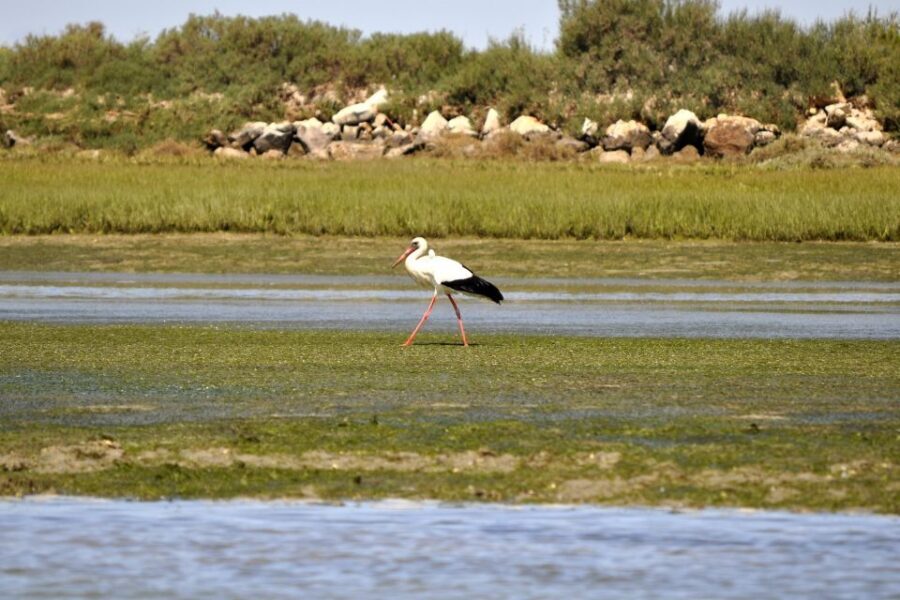
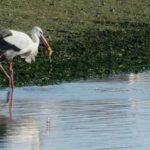
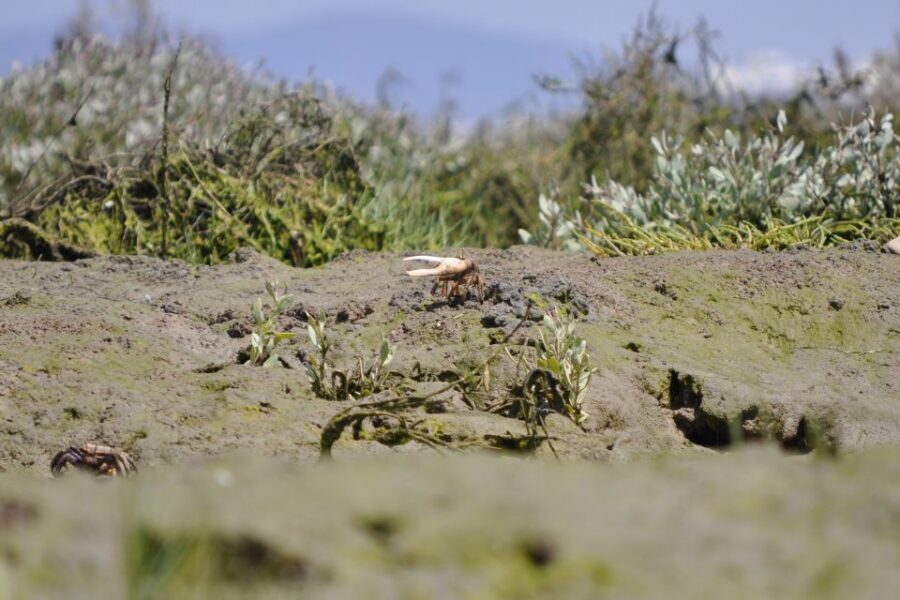
Ria Formosa is known for serious birdlife, and this kayak tour leans hard into it. Your job is simple: keep your eyes open and listen to what the guide points out. The tour mentions many varieties of sea and birdlife living in the area, and the guide’s live commentary is there to help you spot them more reliably.
Here’s the practical trick for wildlife viewing on water: don’t chase. When birds lift off or shift positions, it’s easy to react with frantic paddling. But the calm, sheltered setting gives you time. You can usually watch longer by holding a steady course, slowing your movements, and letting the moment come to you.
Also, remember that birds can be easier to see when you’re near the marsh edges or channels, not only out in open water. Since the tour route goes through marshes and toward an islet, you’re naturally positioned for better viewing without needing to hunt.
Other kayak & sup cave tours we've reviewed in Algarve

What It’s Like on the Water: Calm, Wet, and Surprisingly Fun
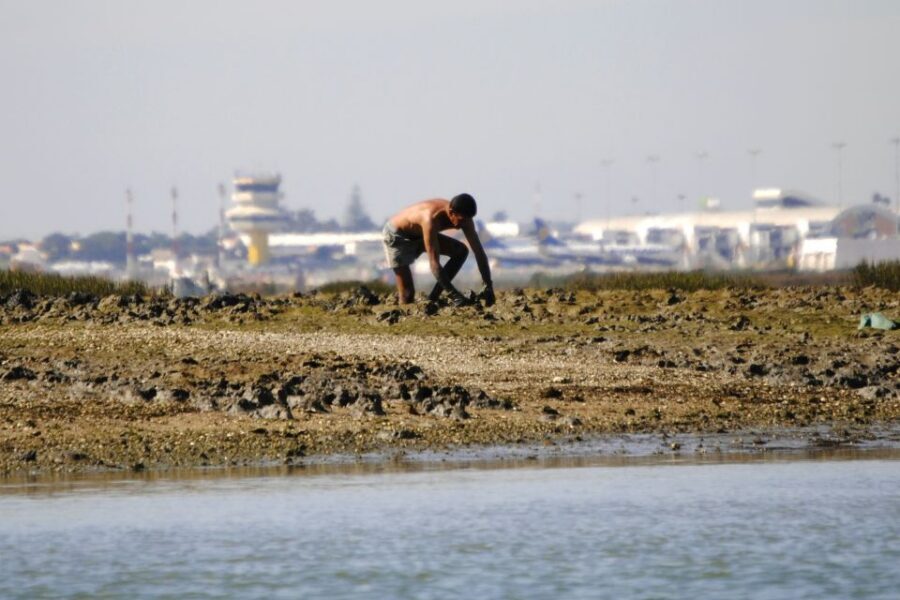
The waters you start on are calm with no waves, which makes the experience approachable. After that, you still stay in a safe, controlled setting. Your guide helps you get the most out of the paddling while keeping the vibe relaxed.
That said, you should plan to get wet. Even in winter, a previous guest noted legs getting wet, and they still found the trip enjoyable as long as they had a rain jacket and stayed warm enough. So think in layers and water-smart clothing, not in swimsuit expectations only.
If you’re sensitive to cold or you hate damp clothes, pack accordingly. The tour runs 2 hours, so you’ll want to stay comfortable for the whole time, not just the first part.
Gear and Clothing: What to Bring for Spring Through Winter
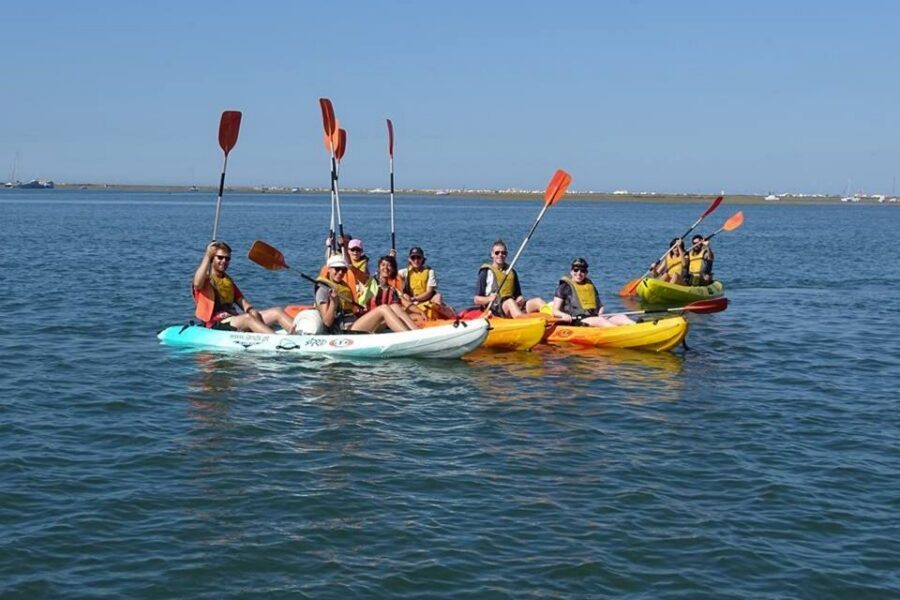
The tour provides the key kayaking gear: double kayaks, paddles, and safety equipment. Your main job is personal comfort.
Here’s what you’re recommended to bring:
- Suitable clothing and kayak footwear
- Hat, sunscreen, sunglasses, and a sunglasses holder
- Waterproof clothing for autumn and winter
- Bathing suit and a towel for spring and summer
- Water and a small energetic snack
- Spare clothing
I also strongly suggest bringing something you can change into right after, especially if the weather turns. That little detail can make the difference between you thinking the tour was perfect and you feeling like you just survived it.
Where to start
You’ll check in at the office of the local partner at the shop Boat Tours Store, on the ground floor of the Ginásio Clube Naval de Faro (the Nautical Club of Faro). Aim to arrive at least 10 minutes early so you’re not rushing right before you’re handed safety gear and equipment.
Price and Value: Is $58 for 2 Hours Worth It?
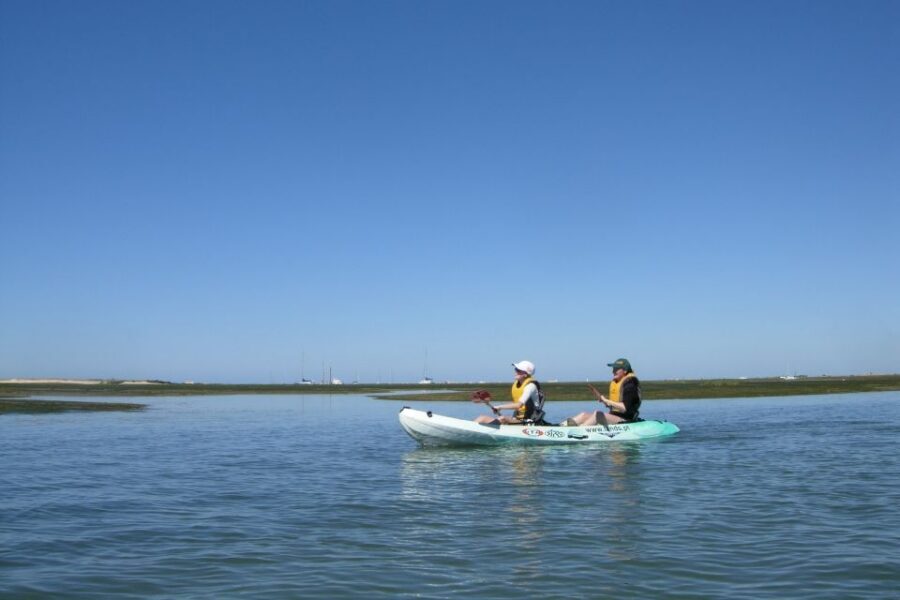
The price is $58 per person for a 2-hour tour. On paper, that sounds short. In practice, it’s a good match for a kayaking experience because it keeps the time on the water focused and manageable.
Here’s where the value comes from:
- Equipment is included: double kayaks, paddles, and safety gear
- You get a local guide plus live commentary, so you’re not just paddling in silence
- The trip includes coaching, which is a real service (especially if you’re new)
- You’re covering meaningful park time, including marshlands, clam farms, and a small islet
You should plan for what’s not included: hotel pickup and drop-off, transportation to/from attractions, and food and drinks. Since you’ll be on the water and you’re advised to bring water plus a snack, this is easy to manage. Think of the $58 as paying for the experience, the instruction, and the gear, not as an all-in day package.
If you want a half-day nature moment without a full logistical hassle, this pricing structure makes sense.
Who Should Book This Kayak Trip—and Who Should Skip It
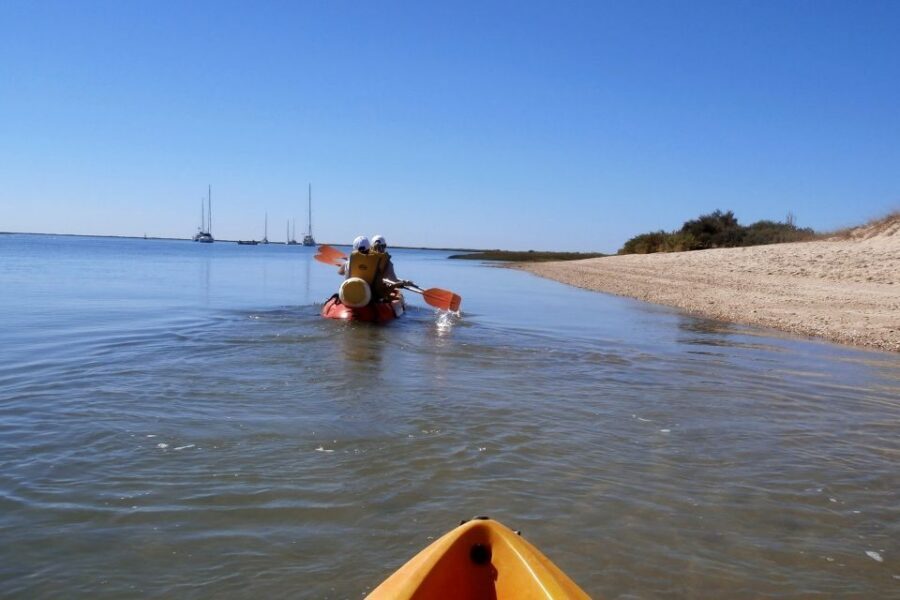
This trip fits best if you want nature plus guidance, and you don’t want the pressure of doing it alone. It’s also a great option if you like learning while you’re moving. The guide’s live commentary and the focus on birds and sea life make it feel like a nature lesson you can steer yourself.
It’s also designed for different skill levels. The tour explicitly works for both experienced paddlers and first-timers, thanks to the calm-water practice at the start.
It’s not suitable for:
- Children under 5 years
- Non-swimmers
- People with mobility impairments
- Pregnant women
If any of those apply to you, this isn’t the right choice. If they don’t, and you can handle getting wet and doing steady paddling for 2 hours, you’ll likely enjoy it.
Should You Book the Ria Formosa National Park Kayak Trip?
I’d book it if you want an easy-to-manage kayak outing with real wildlife time and a route that includes marshes, clam farms, and small islets. The combination of calm-water coaching and then moving into the park is a smart way to keep the trip fun instead of stressful. And the $58 price feels reasonable when you factor in guide time, live commentary, and all the core equipment.
I’d skip it if you hate damp conditions, you need hotel pickup, or you’re not comfortable on the water. Also, if you’re traveling with small kids, this one has a clear lower age limit.
One more practical note: the tour offers free cancellation up to 24 hours in advance and lets you reserve now and pay later, which is handy if your day in the Algarve depends on weather or tide timing.
If you’re in Faro and want a nature experience that feels active, personal, and genuinely different from sitting on the beach, this is a strong pick.
FAQ
How long is the Ria Formosa kayak trip?
It lasts 2 hours.
Where do I meet for the tour?
Meet at the Boat Tours Store office, on the ground floor of the Ginásio Clube Naval de Faro (Nautical Club of Faro). Check in at least 10 minutes before departure.
What’s included in the $58 price?
The tour includes the 2-hour kayak experience, double kayaks, paddles, safety gear, a local guide, and live commentary on board.
Is hotel pickup and drop-off included?
No. Hotel pickup and drop-off are not included.
Do I need to know how to swim?
Yes, and it’s not suitable for non-swimmers.
What languages are available for the guide?
The guide provides live commentary in English, Spanish, and Portuguese.
What should I bring?
Bring suitable clothing and footwear for kayaking, a hat, sunscreen, sunglasses and a sunglasses holder, and waterproof clothing for autumn and winter. In spring and summer, bring a bathing suit and a towel. Also bring water, a small energetic snack, and spare clothing.