REVIEW · ALGARVE
CCVAlgarve Individual Ticket
Book on GetYourGuide →Operated by Centro Ciência Viva do Algarve · Bookable on GetYourGuide
Earthquakes and seahorses in one day. At the Algarve Life Sciences Center, I love the hands-on touch tank and the Ria Formosa aquarium with sensitive seahorses; it feels like real science made easy for all ages. One possible drawback: it is an indoor museum day, so don’t expect big outdoor scenery stops.
Plan for a fun, slightly odd mix of modules: a 3-D printer, physics and geology stations, and hands-on guesses like your weight on other planets and how many calories are in a pizza. If you want a calm, quiet visit with no interaction, this setup might feel a bit busy. If you like pushing buttons and asking why things work, you’ll be in the right place.
In This Review
- Key Things I’d Mark on Your Day
- Where You Go: The Big Yellow Building and Quick Check-In
- Two Aquariums: Tropical Color vs. The Ria Formosa Lagoon
- Touch Pool Fun: Intertidal Animals and Life Cycle Learning
- The Science Rooms: Physics, Geology, Food, Meteorology, Volcanos
- Earthquake Simulation and a Live Tornado: When Science Moves
- Pricing and Value: Why $5 Can Feel Like Too Much Fun
- Who This Works Best For (and Who Might Want to Skip It)
- Rules You Should Know Before You Go
- Should You Book the CCVAlgarve Individual Ticket?
- FAQ
- FAQ
- Where do I enter and show my ticket?
- How long is the experience?
- What’s included in the price?
- Are there aquariums included?
- Are sensitive seahorses included?
- Can I touch animals?
- What interactive science stations are included?
- Is the experience wheelchair accessible?
- Are pets allowed?
- What are the rules on alcohol or drugs?
- Is there free cancellation?
- Can I reserve and pay later?
Key Things I’d Mark on Your Day
- Two aquariums with different worlds: tropical fish plus a Ria Formosa coastal lagoon setup
- Touch pool time where you can interact with animals from the intertidal zone (with guidance)
- Sensitive seahorses from the Ria Formosa area
- Earthquake and live tornado experiences that turn science into a body memory
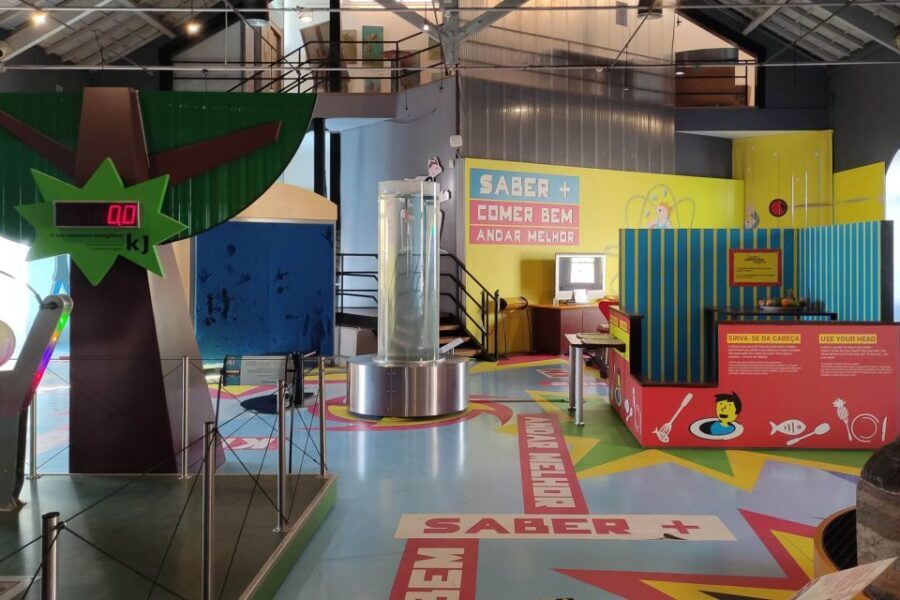
- Physics, geology, food, meteorology, and volcanos stations across the museum
- Interactive guessing games like calories in a pizza and your weight on other planets
Where You Go: The Big Yellow Building and Quick Check-In
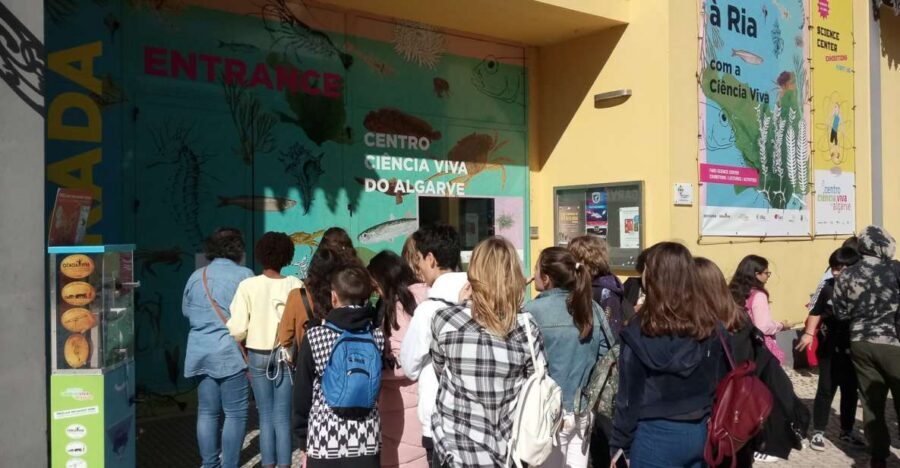
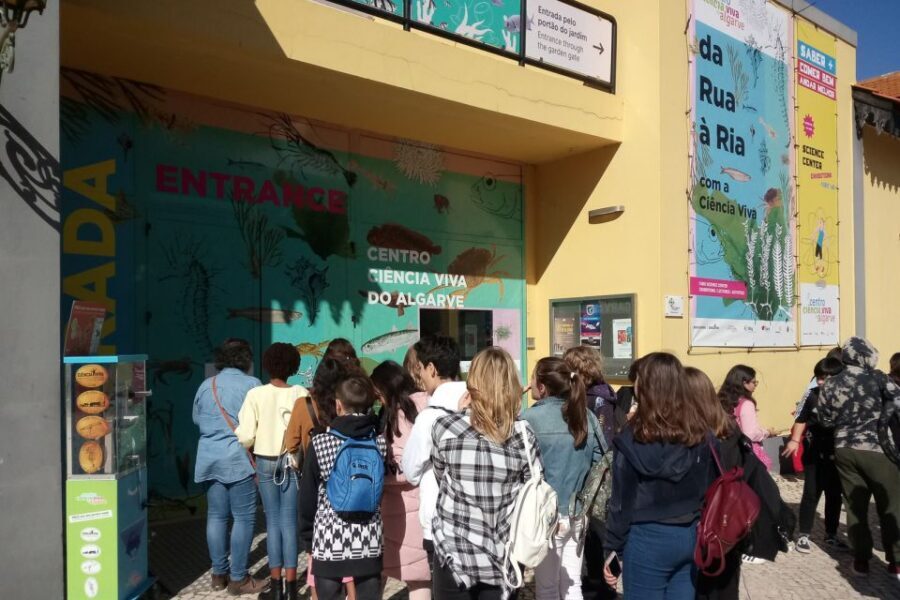
Your day starts at the Algarve Life Science Centre. Walk into the big yellow building and head to the reception counter in the middle area, right in front of the castle walls. Show your ticket there, then you can move through the museum at your pace.
Because it is a museum-style visit, timing matters less than momentum. If you arrive early in your selected starting time window, you’ll have an easier run at the most popular hands-on spots without rushing.
Tip for planning: wear shoes you can stand in comfortably. A lot of the fun here is moving between stations—aquariums, touch area, and the physical science displays.
A few more Algarve tours and experiences worth a look

Two Aquariums: Tropical Color vs. The Ria Formosa Lagoon
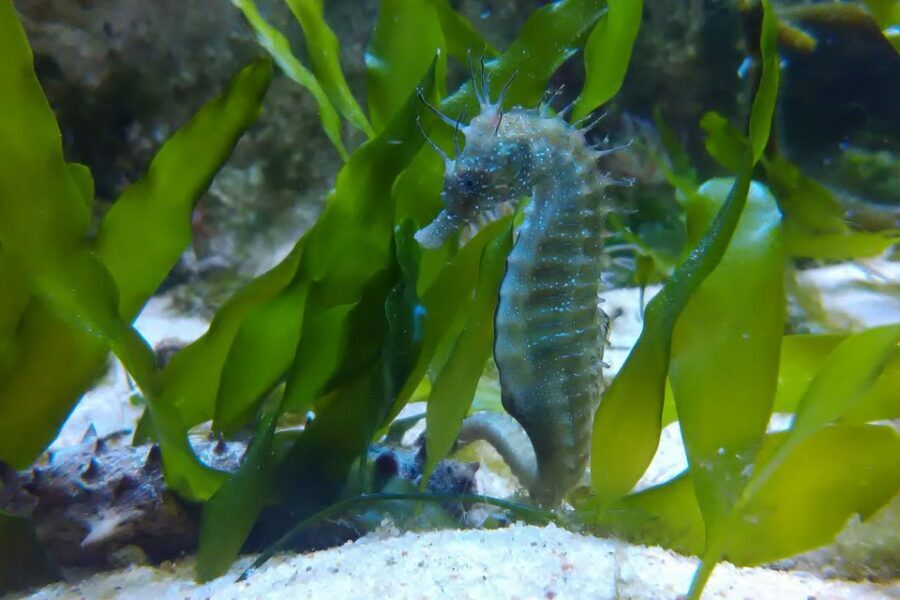
The headline for many people is the aquarium pair. One side is tropical—bright, straightforward, and easy to read even if you’re not a biology person. The other aquarium shifts you into the sub-real environment of the Ria Formosa coastal lagoon, which is much more about how a delicate system works than about just looking at fish.
The most special animal connection is the sensitive seahorses from the Ria Formosa ecosystem. Even when you know seahorses in the abstract, seeing them linked directly to a local, specific environment makes the exhibit feel less like a generic aquarium and more like a real place worth caring about.
What I like about this pairing is how it teaches contrast. You don’t just learn what an animal looks like—you get nudged into thinking about habitat. That matters for kids, and it keeps adults engaged too.
One practical consideration: aquariums can mean crowding at viewing glass. If you want a slow look, start with the aquarium that interests you less first, then finish with the one you came for.
Touch Pool Fun: Intertidal Animals and Life Cycle Learning
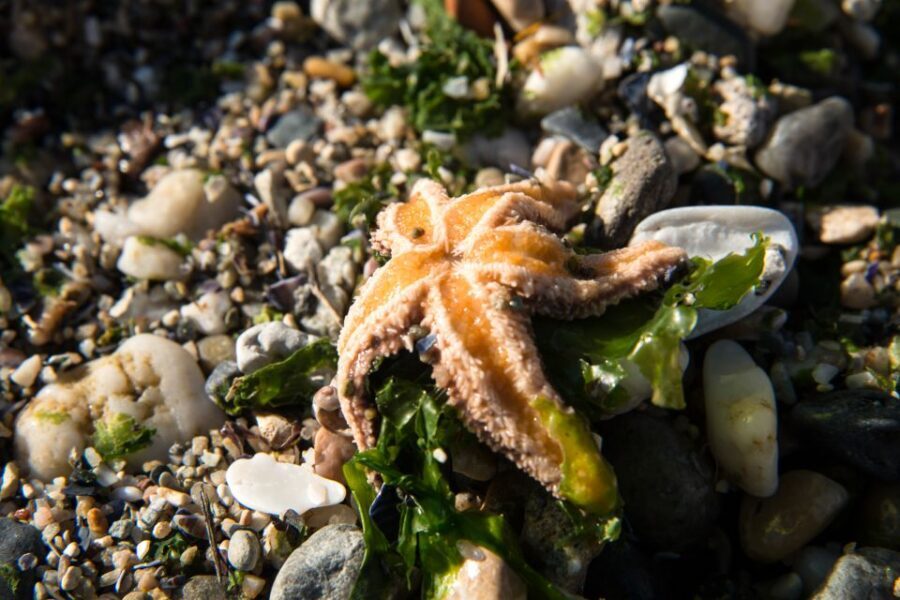
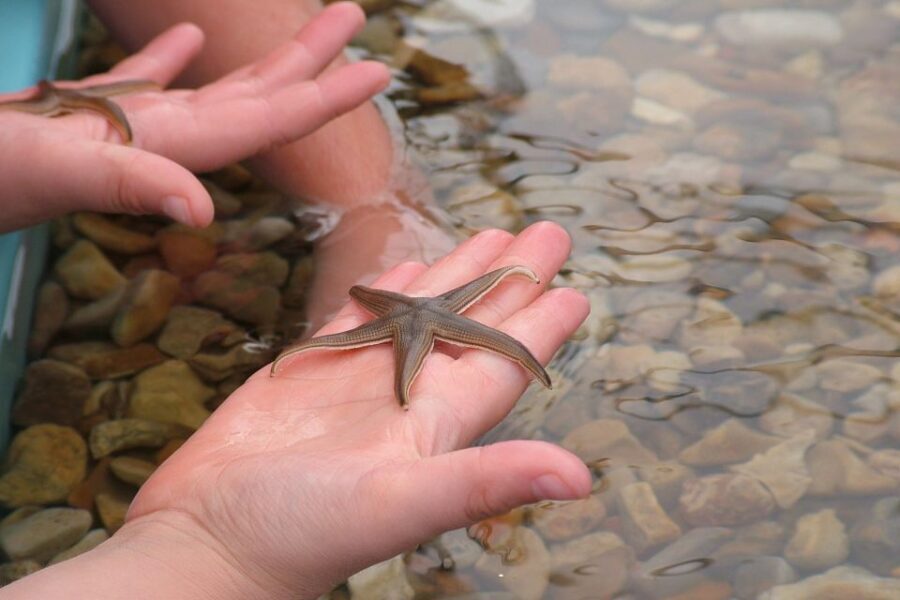
Then comes the part that usually hooks families fast: the touch pool. This is where you can interact with animals that are usually found in the intertidal zone—those shallow, changing areas where the sea meets the shore and tides move the rules.
This isn’t just a thrill stop. You also get a chance to understand how these animals fit into their life cycle and how their story connects back to the Ria Formosa coastal ecosystem. That life cycle angle is what turns touch time into actual learning instead of only a hands-on moment.
If you’re bringing kids, this is the best place to pause and let questions form naturally. The setup is designed for interaction, and the museum feel stays friendly rather than lecture-heavy.
Small heads-up: touch pools are controlled environments. You’ll want to follow staff guidance closely so everyone stays safe and the animals are handled properly.
The Science Rooms: Physics, Geology, Food, Meteorology, Volcanos
As you walk through the museum, you’ll find themed areas that keep the energy changing. Physics shows up in ways that make you act, not just watch. Geology connects the dots between forces and how Earth processes shape what you see.
Then you get a fun twist: food, meteorology, and volcanos. You might expect only “nature museum” themes, but the mix here makes the day feel like a science playlist—different tracks, same beat.
Two stations are called out in the experience details and they’re perfect examples of why this works:
- Your weight on other planets, which makes gravity feel personal instead of abstract
- Guessing how many calories are in a pizza, which turns everyday food into a science math moment
This is also where a 3-D printer fits into the story. Even if you don’t stand there for a full process, having a real tech element in the middle of the science rooms keeps the museum from feeling like only nature displays.
Best approach: don’t try to do every station at full intensity. Pick a couple you really want to understand, then use the others as quick wins. The museum is designed for visitors who want variety, not for people trying to speedrun learning.
Earthquake Simulation and a Live Tornado: When Science Moves
A big part of the experience is the sensation-based displays. You can experience an earthquake feeling, and there’s also a live tornado component you can see during your visit.
This kind of exhibit is powerful because it uses the body. Instead of only reading about tectonics or storm behavior, you get a controlled version of the sensation and then you can connect it to what you learned in the other science rooms.
Is it realistic? You should think of it as an interactive teaching tool, not a disaster recreation. The goal is understanding how forces behave and why we prepare for them—not scaring yourself for the sake of authenticity.
If you’re traveling with kids, this is often where the day peaks. Adults tend to like the fact that it’s not overly technical, while kids like the fact that it’s not overly boring.



Pricing and Value: Why $5 Can Feel Like Too Much Fun
At $5 per person, this ticket price is part of the story. Even without turning it into a spreadsheet, the value looks strong for what you get: aquariums, an interactive touch pool area, multiple science stations, and at least a handful of memorable special effects like the earthquake and tornado experience.
You’re also not paying for only one attraction. Two aquariums plus several interactive modules means you’re less likely to feel like you spent money on a single hour-long stop.
For families, this matters. For adults, it matters too—because the museum style makes it easy to jump between interests (science, animals, technology, environmental learning) without committing to a long, formal tour format.
One more value note: entrance fees are included. That removes the annoying guesswork of add-ons once you’re inside.
Who This Works Best For (and Who Might Want to Skip It)
This is a great match if you want an indoor, hands-on day in the Algarve. It fits especially well for:
- Families with kids who like touching, pressing buttons, and watching interactive science
- Anyone curious about the Ria Formosa ecosystem and how local habitats support animals like seahorses
- Adults who enjoy science explanations but don’t want the whole day to be a classroom
It might be less ideal if you:
- Want a quiet, minimal-interaction museum
- Are only interested in one specific topic (like aquariums only) and don’t care about stations in physics, geology, meteorology, food, or volcanos
- Are expecting a large outdoor tour route (this is mostly an indoor experience)
Rules You Should Know Before You Go
There are a few clear boundaries:
- Pets are not allowed, but assistance dogs are allowed
- Alcohol and drugs are not permitted
It’s also wheelchair accessible, so the overall layout is designed to work for visitors who need it.
If you’re traveling with sensory or safety concerns, the best plan is to go at your own pace and use the touch pool moment only when you’re comfortable. This museum is built for interaction, but you don’t have to rush into every activity back-to-back.
Should You Book the CCVAlgarve Individual Ticket?
If you’re looking for a low-cost, high-activity day that mixes animal learning with real interactive science, I’d book it. The combination of two aquariums, the touch pool, and the earthquake/tornado style displays gives you a day with multiple “I didn’t expect that” moments—without needing a big time commitment.
Choose it when you want an easy win in the Algarve: a rainy-day option that still feels like an adventure, and a family-friendly stop that doesn’t only talk down to kids. With the price so low, you’re not taking much risk.
Skip it only if you’re the type who hates hands-on exhibits or you only want outdoor scenery. This is an indoor learning day, built to move your attention around the room.
FAQ
FAQ
Where do I enter and show my ticket?
You enter the Algarve Life Science Centre in the big yellow building. The ticket check happens at the reception counter in the middle area in front of the castle walls.
How long is the experience?
It’s valid for 1 day, and you should check availability for starting times.
What’s included in the price?
Entrance fees are included.
Are there aquariums included?
Yes. There are two aquariums: one tropical aquarium and one aquarium representing the Ria Formosa coastal lagoon environment.
Are sensitive seahorses included?
Yes. You can discover sensitive seahorses from the Ria Formosa environment.
Can I touch animals?
Yes. There is a touch pool where you can interact with animals found in the Ria Formosa intertidal zone.
What interactive science stations are included?
You can find stations related to Physics, Geology, Food, Meteorology, and Volcanos, plus experiences like feeling an earthquake and seeing a live tornado. You can also try your weight on other planets and a calories-in-a-pizza guess.
Is the experience wheelchair accessible?
Yes, it is wheelchair accessible.
Are pets allowed?
Pets are not allowed, but assistance dogs are allowed.
What are the rules on alcohol or drugs?
Alcohol and drugs are not allowed.
Is there free cancellation?
Yes. You can cancel up to 24 hours in advance for a full refund.
Can I reserve and pay later?
Yes. The option is reserve now & pay later, so you can book a spot and pay nothing today.