REVIEW · ALGARVE
Portimão: Benagil Caves & Dolphins Watching with Biologist
Book on GetYourGuide →Operated by 5emotionsalgarve · Bookable on GetYourGuide
Benagil from a speedboat hits different. You’ll pair sea-cave geology with dolphins in the open Atlantic, guided by a marine biologist. It’s built for real wildlife watching, not just a quick photo stop.
I especially love how the day is run like a search-and-learn mission. You cruise out with live commentary, then head to see whales or dolphins when conditions line up, with a 90–95% chance of spotting cetaceans. The second thing I love is the mix of famous and lesser-known scenery: the Algar de Benagil cave area plus smaller coastal caves you’d miss if you only did the classic land-view spots.
One consideration: your time inside caves and any swim stop depend on sea conditions and rules from the local marine authorities. On a rougher day, you may see the cave zones more from the water than by going inside, and you might skip the water time altogether.
In This Review
- Key things to know before you go
- Why this Benagil Caves and dolphin cruise feels different
- From Portimão Marina to Marinha Beach: the start that sets the tone
- Algar de Benagil: brief cave time, big payoff
- Hidden caves along the Algarve coast: what you’re really paying for
- The swim stop: refreshing when allowed, absent when conditions turn
- Dolphins in the Atlantic: the search game that actually works
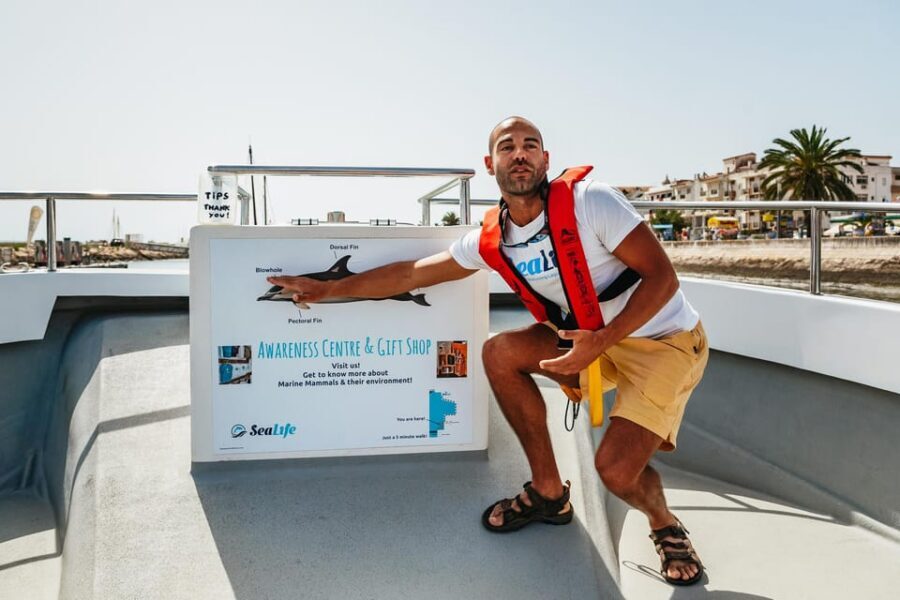
- Marine biologist notes: what you learn beyond dolphin spotting
- Boat comfort, safety kit, and what to pack (so the day stays fun)
- Price and value: is $47 really fair here?
- Who should book, and who should skip
- Should you book this Benagil Caves & Dolphins tour?
- FAQ
- Where is the meeting point?
- How early do I need to check in?
- How long is the tour?
- What’s the chance of seeing dolphins or other cetaceans?
- Can I go inside the Benagil caves?
- How long does the boat stay near the Benagil caves?
- Do passengers get off the boat to explore caves or beaches?
- Is there a swimming stop?
- What languages is the tour guide available in?
- What should I bring, and what’s not allowed?
Key things to know before you go
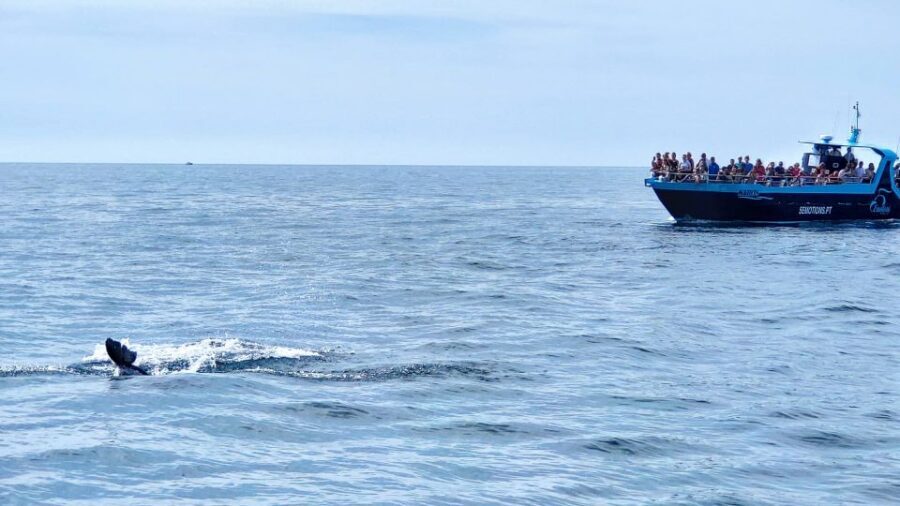
- Marine biologist on board: You get explanations tied to what you’re seeing, not generic facts.
- Wildlife first, timing second: The crew works to find cetaceans, and your sightings drive how the schedule feels.
- Benagil is “minutes,” not “hours”: The boat can only stay in the caves briefly, and you don’t disembark.
- Swim is conditional: You’ll swim only if sea conditions allow it.
- Pack for wind and spray: Even on warm days, moving fast on the water can feel chilly.
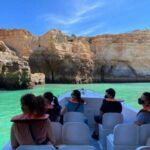
- Comfy ride for a speedboat day: Many people call out cushioned seating with back support.
Why this Benagil Caves and dolphin cruise feels different
Most Algarve dolphin trips lean hard on speed, hype, and return-time pressure. This one mixes the adrenaline with a built-in reason to pay attention. A marine biologist helps you read the coastline’s story—limestone, erosion, sea life patterns—while you’re actually out there.
That matters because dolphins and caves are both about conditions. Dolphins move with currents and prey, and sea caves open and close based on tide and local decisions. When you understand what the guide is pointing out, the trip stops feeling like random luck. You start spotting patterns: where the boat goes, why it slows down, what birds or water changes might signal, and what to watch for when dolphins surface.
You also get a rare combo: caves near Portimão plus a later push into the Atlantic for more active wildlife time. Even when the dolphin show isn’t nonstop, the geology and the coastline views are the kind of “Algarve looks fake” scenery you can’t recreate from land.
Other benagil cave tours we've reviewed in Algarve
From Portimão Marina to Marinha Beach: the start that sets the tone
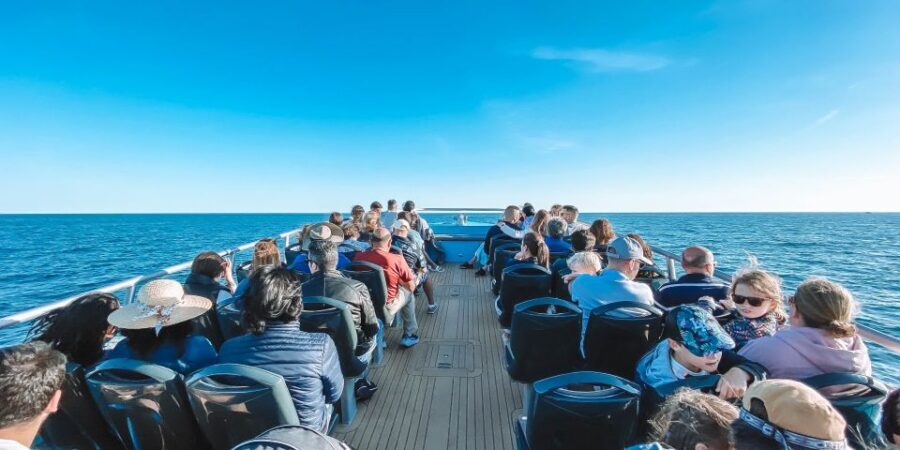
You meet at Kiosk #6 – 5emotionsalgarve at Portimão Marina. Check-in is required up to 30 minutes before the experience at the 5emotionsalgarve counter. Do it on time; if you miss the window, you don’t get a refund or reschedule.
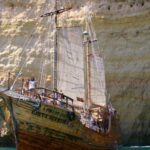
Once you’re on board, you’ll get a safety briefing plus the included kit: life jackets and raincoats. The raincoat part is practical even in shoulder season—spray plus wind can make you feel damp or cold fast.
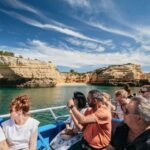
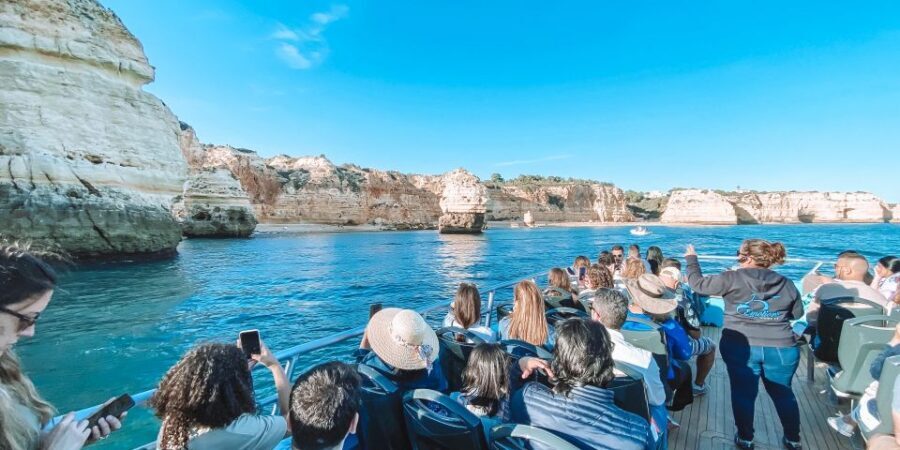
The early cruise takes you along the coast and toward Marinha Beach. This stretch is not just transportation. It’s the moment to get oriented: you’re building a mental map of how the Algarve cliffs, coves, and sea-level shapes work, so later stops in and around Benagil land differently in your brain. If you like photography, this is also when you’ll start noticing which cliff faces create that classic Algarve postcard look.
Algar de Benagil: brief cave time, big payoff
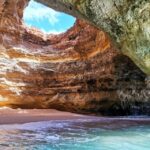
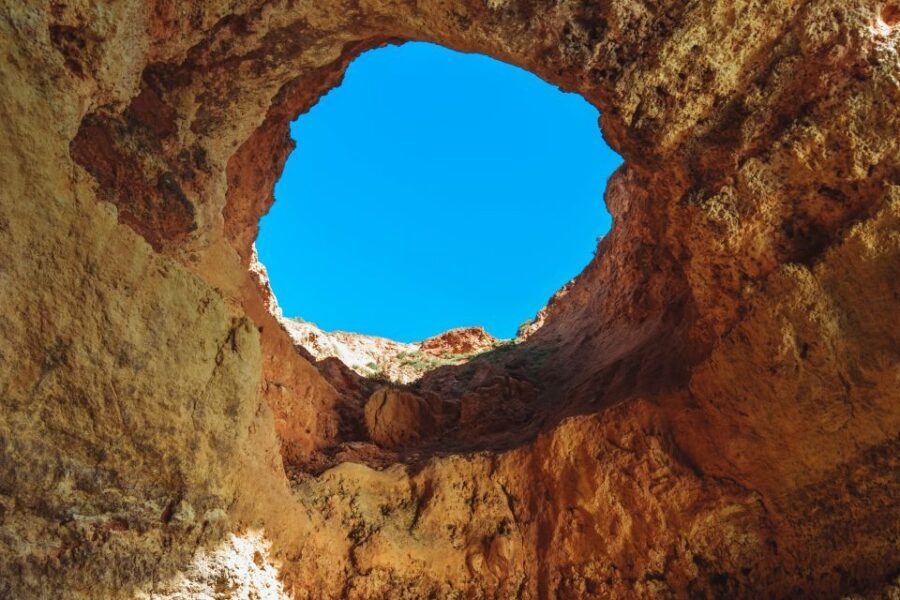
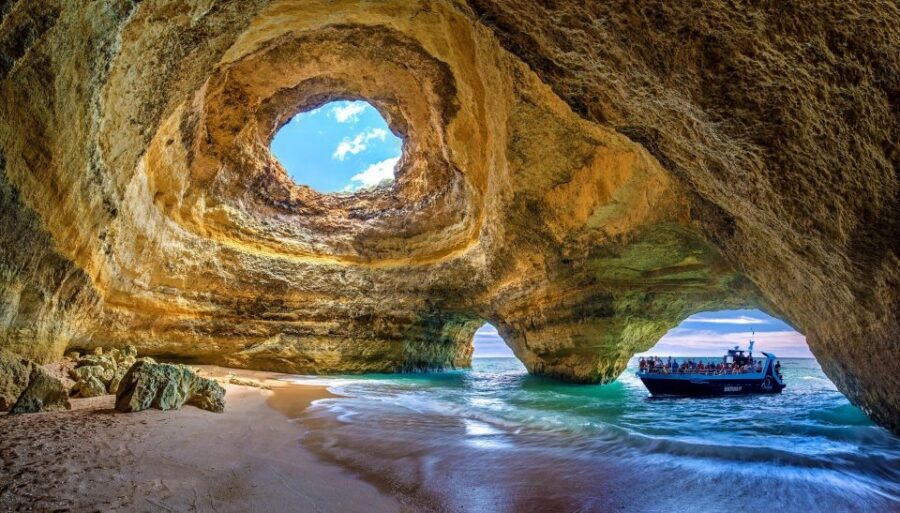
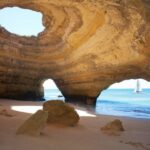
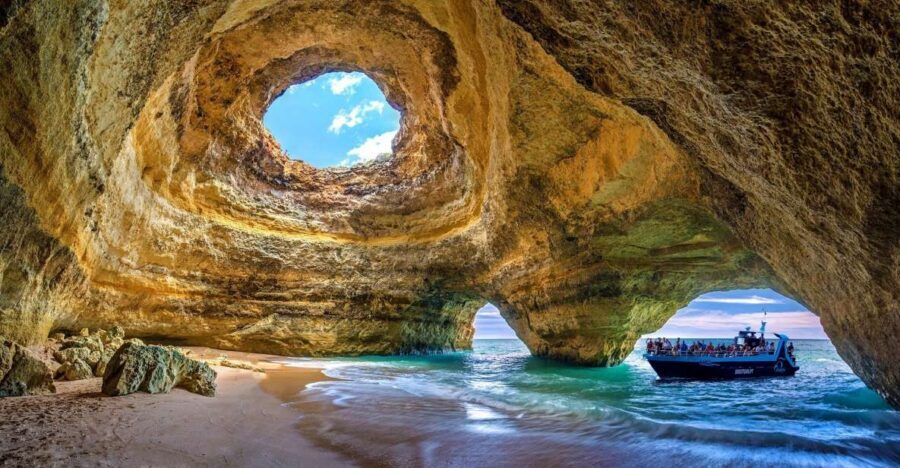
The famous target is Algar de Benagil. Here’s the key reality: due to local rules, the boat can only stay in the caves for a few minutes. Also, you can’t disembark into the caves or onto beaches from the boat.
So the win isn’t lingering. The win is timing, positioning, and the quick “look + sound + light” effect you get when you’re close to the formations without the hassle of a land-based approach.
What to expect in practice:
- You’ll get an Instagram-perfect view moment while the boat is positioned for the right angle.
- If the sea is calm enough, you may be able to see areas that feel like you’re right inside the rock world.
- On rougher days, entry to the caves can be prohibited by the local marine police. In that case, you’ll still cruise the cave area, but the “in-cave” experience may be limited.
Either way, you should treat this as a “high-impact stop.” You’ll leave wanting just a bit more time, but that’s also what keeps the experience moving for everyone and helps protect the site.
Hidden caves along the Algarve coast: what you’re really paying for
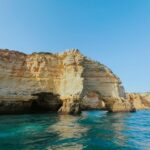
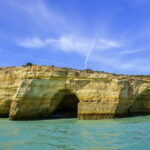
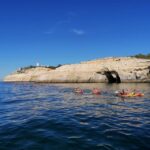
Between the flagship Benagil moment and the later wildlife search, you’ll cruise further down the Algarve coast and visit hidden caves. These aren’t meant to replace Benagil’s fame. They’re meant to broaden your sense of how the coastline behaves.
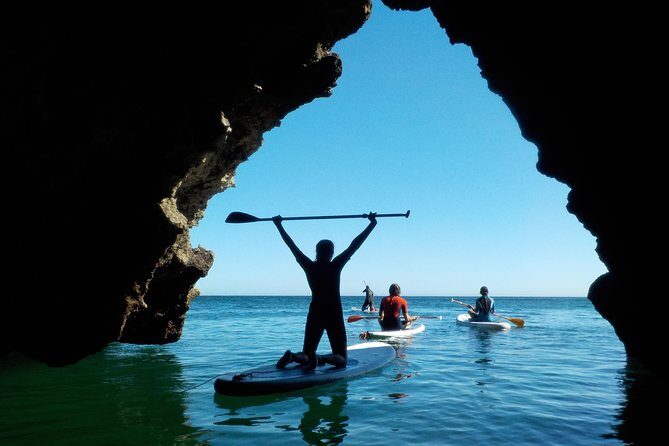
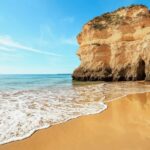
From the water, you’ll see rock formations carved by water movement over time—arches, openings, and sheltered pockets that form when waves do their slow work long enough. A biologist’s narration helps you connect what you’re seeing to why it’s there, which is especially helpful if you’re the type who likes to understand rather than just pose for photos.
This part is also your buffer time. If you happen to arrive when dolphin pods are active and nearby, you may get a smoother transition into wildlife watching. If dolphins are less cooperative, the cave-and-coast segment keeps the trip satisfying instead of feeling like you’re waiting around.
The swim stop: refreshing when allowed, absent when conditions turn
You’ll have a swimming stop during the cruise if sea conditions allow it. That’s the honest trade-off of this style of trip: you’re at the mercy of wind, swell, and local safety decisions.
If you do get the swim:
- You’ll jump in from the boat when the captain judges it’s safe.
- You’ll likely get clear, bright water views—people often describe the sea as surprisingly clean in calm moments.
- You’ll want your swimwear ready, plus a towel.
If you don’t get the swim:
- Don’t panic. You’ll still have caves and the dolphins/Atlantic search.
- Bring warm layers anyway. Even when you’re not swimming, the boat ride plus wind chill can be real.
My practical tip: think of your packing as two kits—one for sea-cave weather (wind + spray) and one for water time (towel + swimwear). If you over-pack into the water kit, you’ll be fumbling when the captain’s decision comes quickly.
Other portimao tours we've reviewed in Algarve
Dolphins in the Atlantic: the search game that actually works
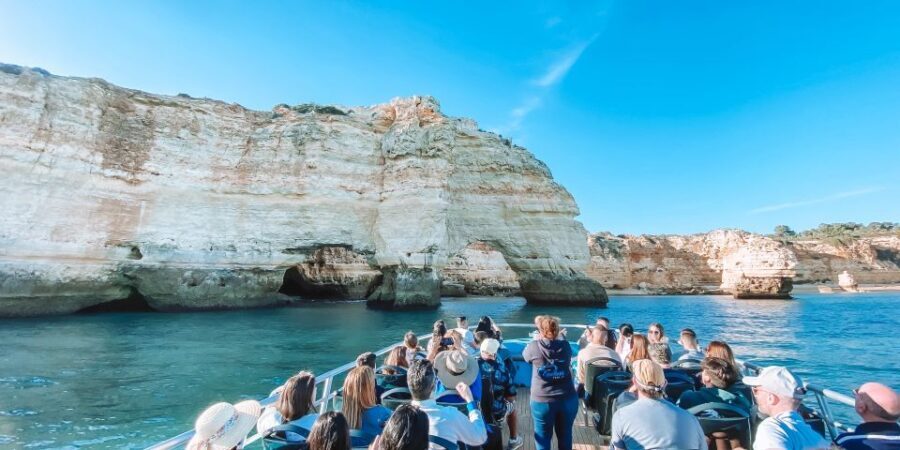
After leaving the coast behind, the trip shifts into Atlantic dolphin watching. This is where the marine biologist role really pays off.
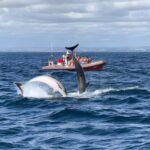
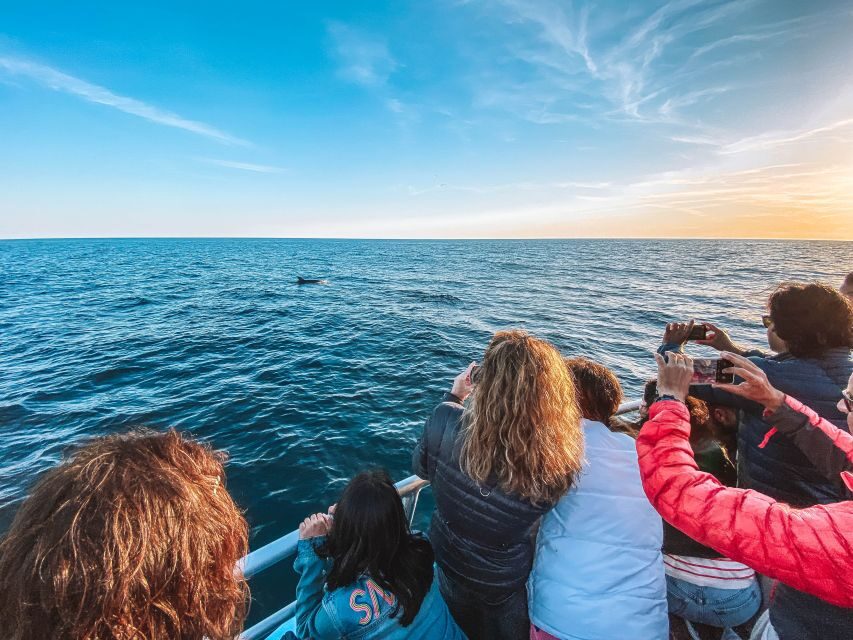
You’ll cruise into search mode, and you can also hear live commentary as the team tries to locate cetaceans. The operation is designed around a high probability: the activity includes a 90–95% chance of spotting cetaceans.
What you can realistically expect:
- The boat may find dolphins quickly—or it might take some time. That’s normal for wild animals.
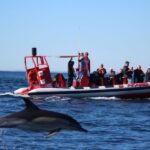
- When dolphins are around, you can get extended viewing. Several people specifically mention being surrounded by pods, with dolphins swimming near or even under the boat.
- You might see different types of dolphins, and sometimes other surprises show up (a few accounts mention whales and porpoises, and one mentions orcas). Don’t book expecting that, but it’s good to know unusual sightings have happened.
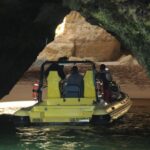
Also, this isn’t an inflatable-only experience. The boat’s comfort stands out in feedback—cushioned seating and back support make it easier to stay seated and watch without feeling beat up by chop.
If you’re prone to motion sickness: you should still take it seriously. The tour is active and can get choppy. That said, many people report feeling safe and not getting sick, especially when they keep their eyes on the horizon.
Marine biologist notes: what you learn beyond dolphin spotting
This tour’s educational value is not about stuffing your head with facts. It’s about learning how to interpret behavior—because behavior is what tells you where to look next.
On board, you’ll hear live explanations about:
- Geology of the Algarve coast and sea-cave shapes
- Marine life you’re seeing during the cruise
- Why the crew makes certain navigation choices while searching for cetaceans
Guide highlights from real moments:
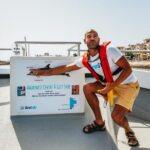
- One person noted that the biologist named Elena could read signs and help maximize the chance of dolphin sightings, with pods arriving after heading out deeper.
- Others mentioned a biologist named Helena standing out for passion and clear dolphin explanations.
Even if you don’t catch a specific guide’s name, the format matters: you’re getting context during the actual wildlife window, so it feels alive instead of like a lecture.
If you’re the type who loves science but hates boring tours, this is a sweet spot. The best part is that the narration often answers the questions you’re already seeing—why the dolphins are behaving a certain way, what the coastline features suggest, and how the ecosystem ties together.
Boat comfort, safety kit, and what to pack (so the day stays fun)
You’ll get life jackets and raincoats included. There’s also a toilet on board, which sounds small until you’re on a 2.5-hour chop-and-spray experience.
What you should bring:
- Warm clothing (yes)
- Jacket for wind
- Sun hat
- Swimwear (in case the sea is kind)
- Towel
- Sunscreen
Glasses and drinks are a no-go. The tour notes say drinks aren’t allowed and glass objects aren’t allowed. Since food and drinks aren’t included, plan for snacks and water outside the boat experience—before you board and after you return.
One more practical thing: the boat can move fast, so it’s smart to dress like you’re going out on a breezy coastal day, not like you’re strolling in town. Multiple people specifically warned that it can feel chilly even when the air seems warm.
Price and value: is $47 really fair here?
At $47 per person for a 2.5-hour guided cruise with a marine biologist, the value comes from what’s included—not just the dolphin chance.
You’re paying for:
- A marine biologist guide with live commentary
- Sea caves cruise time plus the Benagil stop area
- Life jackets, raincoats, and toilet
- Multilingual guiding (English, French, Spanish, Portuguese)
- A very high stated probability of cetacean sightings (90–95%)
The trade-off is that parts of the experience are weather-driven:
- Cave access can be limited by sea conditions and marine police decisions.
- The boat’s cave time is short by local regulation.
- The swim stop is conditional.
In other words, you’re paying for a well-run system built around real coastal nature, not for a guaranteed, staged performance. If you want a tour that’s tightly controlled and identical every day, this isn’t it. If you want a day that feels like actual Algarve ocean life—with experts onboard—then the price makes sense.
Who should book, and who should skip
This tour is a strong match if you want:
- Dolphins and caves in one outing
- Live science context from a marine biologist
- A route that goes beyond the usual land viewpoints
It’s also a good fit for families and mixed ages. One account mentioned an age range from 11 to 76, and the crew reportedly handled the vibe well.
It may not be for you if:
- You’re pregnant
- You have back problems
- You have a baby under 1 year
If you need wheelchair support, the tour is wheelchair accessible, but you should let the operator know in advance so help can be arranged.
Should you book this Benagil Caves & Dolphins tour?
I’d book it if you’re choosing between a basic dolphin cruise and this biologist-led format. The combo of caves + Atlantic wildlife search + on-the-water marine explanations is exactly the kind of value that turns a good trip into a memorable one.
I’d think twice if you’re traveling with a strict must-do list. Because cave entry and swimming can be limited by sea conditions, you should be flexible. If you’re the type who can enjoy the coastline even when nature doesn’t line up perfectly, you’ll have a great time.
FAQ
Where is the meeting point?
You’ll meet at Kiosk #6 – 5emotionsalgarve in Portimão Marina.
How early do I need to check in?
Check-in must be done up to 30 minutes before the experience at the 5emotionsalgarve counter.
How long is the tour?
The duration is 2.5 hours.
What’s the chance of seeing dolphins or other cetaceans?
The included details state a 90–95% chance of spotting cetaceans.
Can I go inside the Benagil caves?
Entry to the caves is subject to prohibition by the Local Marine Police due to poor sea conditions.
How long does the boat stay near the Benagil caves?
Due to local regulations, the boat can only stay in the Benagil Caves for a few minutes.
Do passengers get off the boat to explore caves or beaches?
No. The boat is not allowed to disembark customers from the boat to the caves or beaches.
Is there a swimming stop?
There is a swimming stop, but it is only possible if sea conditions allow it.
What languages is the tour guide available in?
The tour is multilingual: English, French, Spanish, and Portuguese.
What should I bring, and what’s not allowed?
Bring warm clothing, sun hat, swimwear, towel, sunscreen, and a jacket. Drinks and glass objects are not allowed.