REVIEW · ALGARVE
From Faro: 2-Hour Guided Bird Watching Boat Trip
Book on GetYourGuide →Operated by Formosamar · Bookable on GetYourGuide
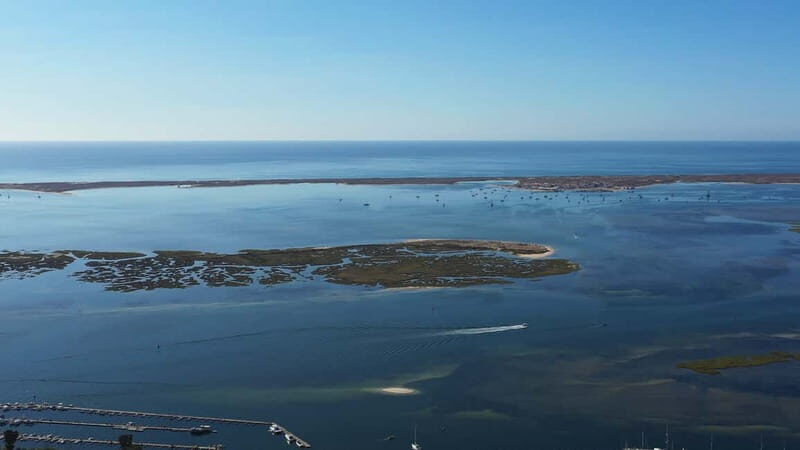
Ria Formosa turns a simple boat trip into a living wildlife lesson. This 2-hour guided bird watching cruise is based in Faro and focuses on the wetland ecosystem where waders and other birds feed, rest, and travel. You’ll follow the lagoon’s channels, get onboard live commentary, and spot species that show up here again and again.
I like the way the guide turns the scenery into actual bird knowledge. I also like the built-in extras: binoculars on hand and a short pause at a deserted beach so you’re not stuck watching through the whole ride.
One consideration: sightings are never guaranteed. Birds shift by season, and the route can change when tides and weather make adjustments necessary.
In This Review
- What makes this bird trip worth your time
- Ria Formosa: why this bird watching beats a casual walk
- Starting from Faro: where you meet and what to do first
- The 2-hour itinerary: what happens during the cruise
- 1) Parque Natural da Ria Formosa: safety briefing and first bird scans
- 2) Waders and winter patterns: the birds that show up reliably
- 3) Passing oyster and clam farms: where birds and local work overlap
- 4) A 15–20 minute stop at a deserted beach
- 5) Head back toward Faro: the return ride through channels
- Species spotting: what you should try to notice (and when)
- The guide matters: what onboard commentary feels like
- Value and price: is $47 a good deal?
- What to bring (and how to dress) for the best comfort
- Accessibility: wheelchair-friendly cruising
- Price, timing, and schedule reality
- Should you book this Faro bird-watching boat trip?
- FAQ
- Where does the tour start from?
- What time should I arrive for check-in?
- How long is the boat trip?
- Is there a beach stop?
- What’s included in the price?
- What languages are available for the guide?
- What bird species might I see?
- Is the tour wheelchair accessible?
- What should I wear or bring?
What makes this bird trip worth your time
- Ria Formosa recognition: a key wetland named among the 7 Natural Wonders of Portugal
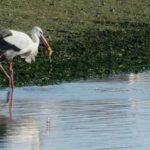
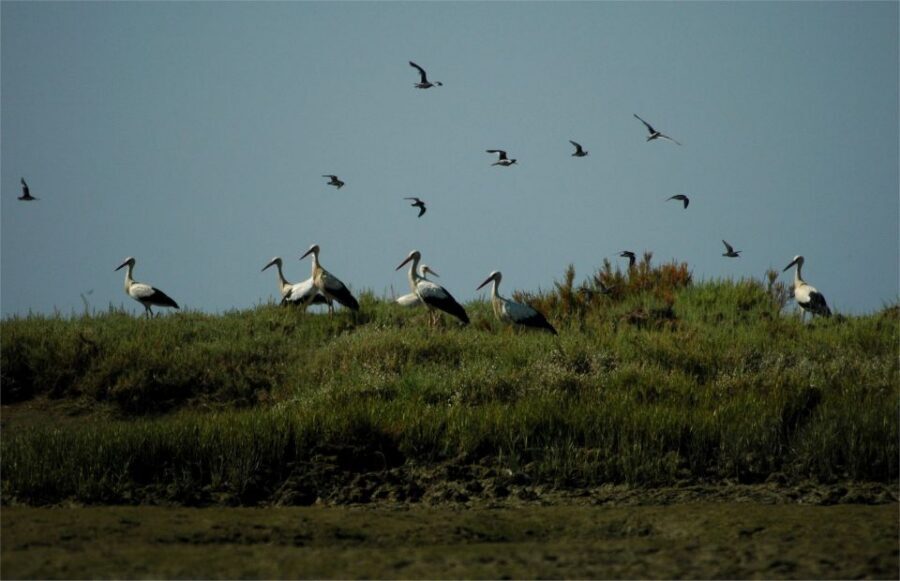
- Real bird spotting focus: white stork, little egret, spoonbill, and more
- Oyster and clam farms: you pass working aquaculture areas tied to local life
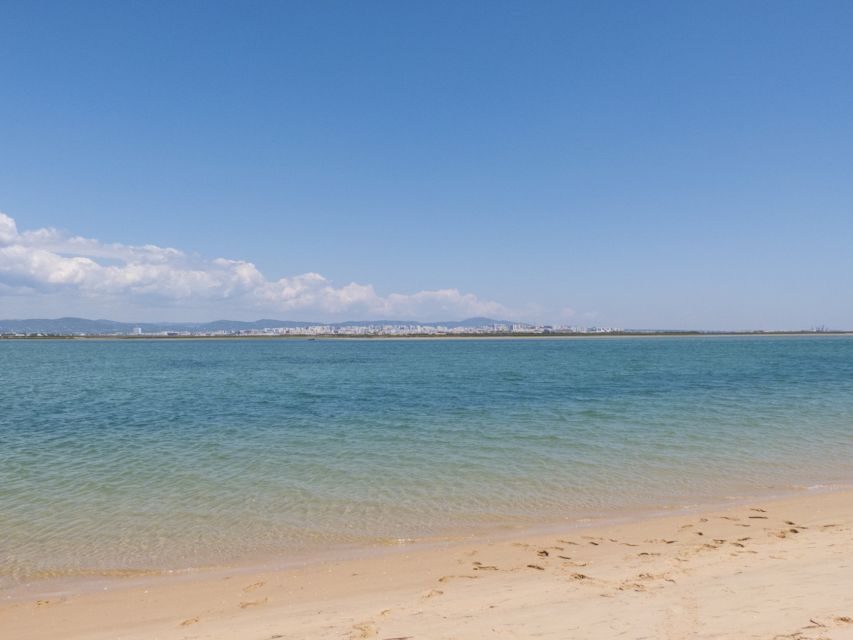
- A short beach break: 15–20 minutes at a deserted shore
- Binoculars included: you’ll actually be able to look, not just guess
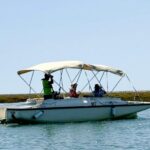
- Guide-led safety and calm cruising: life vests plus a relaxed boat pace through channels
Ria Formosa: why this bird watching beats a casual walk
The Ria Formosa is one of Portugal’s most important wetlands for aquatic birds. That matters because wetlands aren’t just scenic water views. They’re feeding tables—mudflats, shallow channels, and protected areas where birds can search for food without burning energy fighting waves.
On this guided boat trip, the guide helps you connect what you see with what’s happening. You’re not only spotting birds at random; you’re learning how the system works, from the birds that appear year-round to the ones that show up most in winter.
This is also the kind of nature outing where the location does the heavy lifting. You’re not traveling far into the countryside with a long hike. The best bird zones are already there in front of you, along a network of protected channels and islands in the Natural Park.
Other faro tours we've reviewed in Algarve
Starting from Faro: where you meet and what to do first
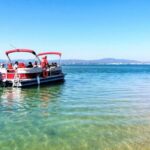
You start at Formosamar – Boat Tours Passeios na Ria Formosa. The meeting point is at the office in the shop called Boat Tours Store, on the ground floor of the Ginásio Clube Naval de Faro (the Nautical Club of Faro).
Aim to arrive early so you can check in. The partner recommends being there 10 minutes before departure. That sounds small, but it helps you settle in, grab the binoculars when they’re needed, and avoid stress if you’re still finding your way along the marina area.
If you’re bringing cameras, do a quick gear check before you board. The ride is calm, but your best shots will come when you’re ready to lift and focus fast—especially when a bird suddenly rises from the shallows.
The 2-hour itinerary: what happens during the cruise
This is a straightforward, well-paced route. You start in Faro, move into the Natural Park area, pass aquaculture zones, and finish back near the city. The main elements are consistent; the exact timing can shift with tides and conditions.
1) Parque Natural da Ria Formosa: safety briefing and first bird scans
Once you’re on board, you get a safety briefing and then live onboard commentary starts right away. This is the moment to settle into the cruise and start scanning.
You’ll be looking for the classic wetland birds the area is known for. The tour description highlights species such as the white stork, little egret, and spoonbill. These birds fit perfectly with the wetland theme: they hunt along edges where water meets mud and where food is reachable.
A practical tip here: pick a side of the boat that gives you the easiest viewing angle, then keep adjusting with small head movements. Constant twisting makes it harder to track flight and feeding behavior.
2) Waders and winter patterns: the birds that show up reliably
This region has a big seasonal rhythm. The description notes that waders are most abundant during winter, while other birds remain present.
You may see birds like the whimbrel, turnstone, and grey plover described as a constant presence. Those names matter because they’re telling you the “type” of feeding the wetland supports. Many waders are built for probing—fast, methodical movements across shallow flats.
If you’re traveling outside peak winter, don’t worry. You might see fewer individuals, but you can still enjoy the mix. The key is that the guide is actively interpreting what’s happening rather than just listing names.
Other coast cave boat cruises we've reviewed in Algarve

3) Passing oyster and clam farms: where birds and local work overlap
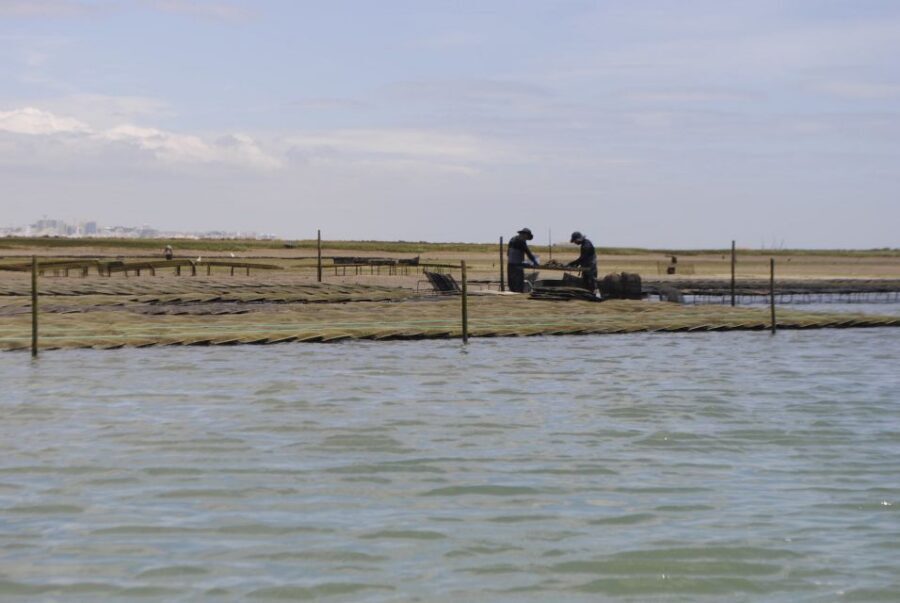
As the trip continues, the boat moves toward the islands of the Natural Park through oyster and clams farms. This is one of the most interesting practical parts of the experience, because you see how the wetland supports both wildlife and the local economy.
You get a chance to spot species associated with this type of habitat. The tour description mentions black-tailed godwit and oystercatcher, plus other species the guide may call out depending on the season.
This section is worth your attention if you like nature that connects to real life. You’re watching an ecosystem that supports livelihoods, not just wildlife behind a fence.
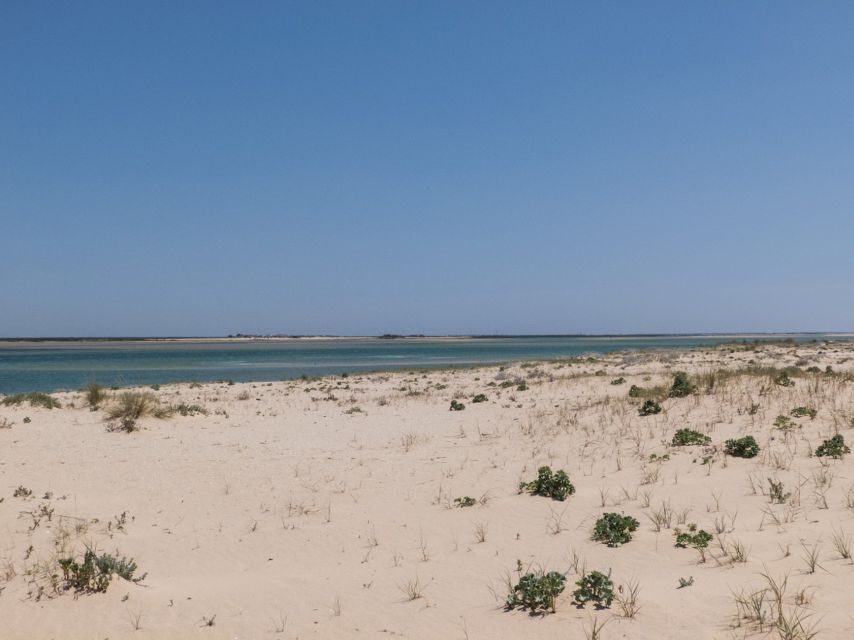
4) A 15–20 minute stop at a deserted beach
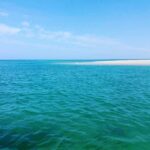
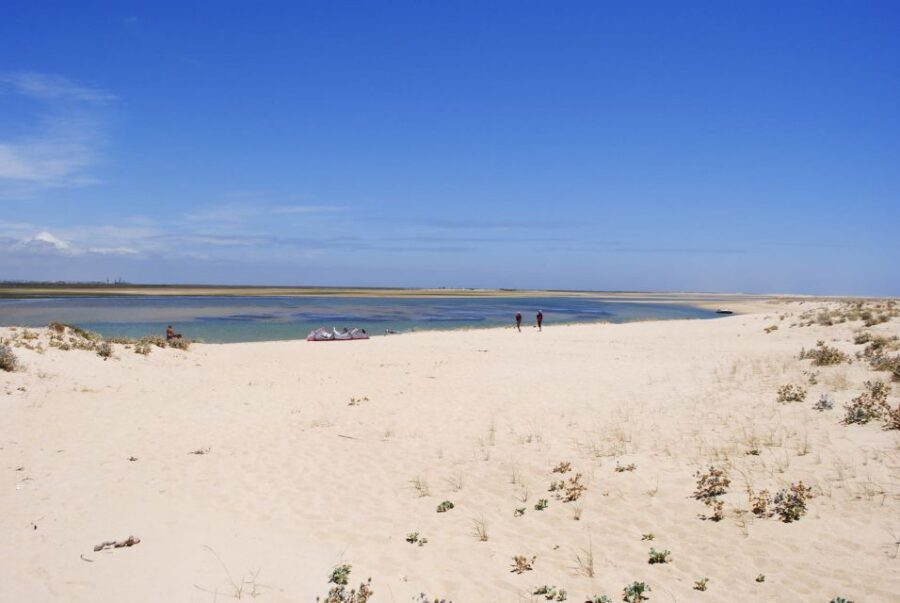
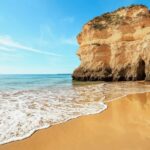
At some point—near where the lagoon meets the sea—you’ll make a stop so you can enjoy a small paradise. This stop typically lasts 15 to 20 minutes and it’s described as a deserted beach.
This is a small timing window, but it’s a big mental reset. Birding can become repetitive if you’re only scanning from a boat seat. The beach break lets you stand still, breathe, and re-focus your eyes. It’s also a good moment to notice how wind and light change what birds do.
Bring sun protection if you’re in spring or summer. The partner recommends a hat and sunscreen, and that’s sensible because this stop is out in open air.
5) Head back toward Faro: the return ride through channels
On the way back, the boat cruises calmly through the park channels toward Faro. This is when you often get more movement—birds flush, fly across the water, and settle again. It’s also when the guide has more time to re-check the areas you already passed, so you can catch something you might have missed the first time.
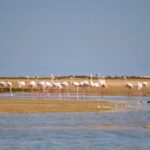
The description also notes that during wintertime you may see sandwich tern and greater flamingo. Even if you don’t catch those exact species, the return leg keeps the bird spotting energy going.
Species spotting: what you should try to notice (and when)
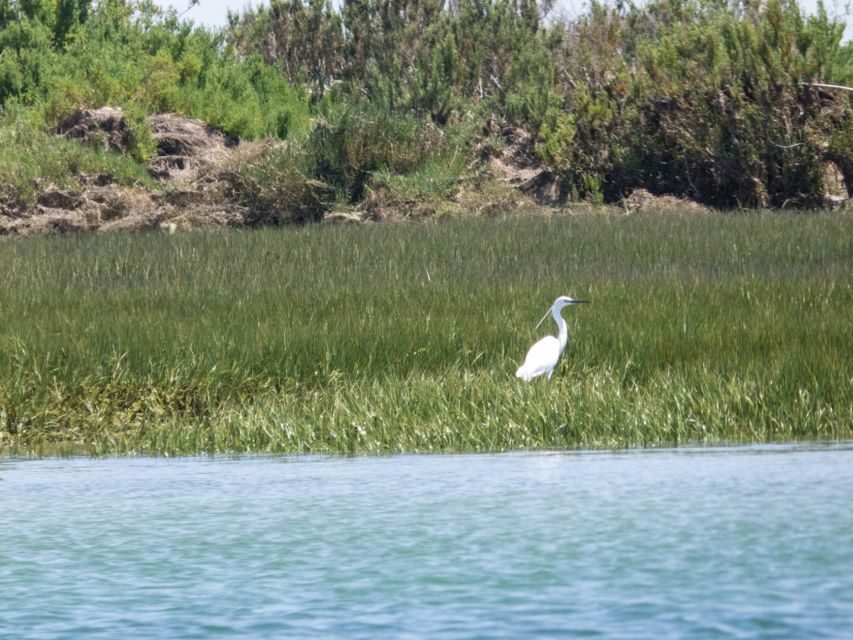
The tour description lays out a strong list, but the honest expectation is seasonal variation. It even notes that species listed can change depending on the time of year.
Here’s a helpful way to think about it:
- Year-round bird types you might encounter include white stork, little egret, and spoonbill.
- Wading birds often become more abundant in winter. That’s where you’re more likely to see a higher volume of birds probing shallow areas.
- Birds described as present beyond peak season include whimbrel, turnstone, and grey plover.
- Aquaculture-linked zones can be good for birds like black-tailed godwit and oystercatcher as the boat passes oyster and clam farms.
- In wintertime, the tour description highlights sandwich tern and greater flamingo.
If you want the most enjoyment from this trip, don’t treat it like a checklist hunt. Focus on behavior. Watch how a bird feeds, where it chooses to stand, and what it does when another bird arrives. That’s where the wetland story becomes real.
The guide matters: what onboard commentary feels like

You’ll have a local guide with live commentary onboard. Languages include Spanish, English, French, and Portuguese.
The best part of this format is that you’re not guessing. You’re looking with guidance—what to focus on, why that bird is there, and what the habitat is telling you. Reviews back this up with repeated praise for informative guides and a strong variety of species spotted.
One guide name that pops up in the feedback is Piedro, described as very friendly and someone with a great bird focus. That’s the kind of guide you want on a bird trip: calm, clear, and ready to point things out fast when a bird appears.
If you’re someone who wants to ask questions, be ready to do it. One negative note mentioned a less engaged interaction in a quieter moment. That doesn’t mean it’s typical, but it’s a good reminder: if you have a question, ask it early so the guide can include you in the conversation.
Value and price: is $47 a good deal?
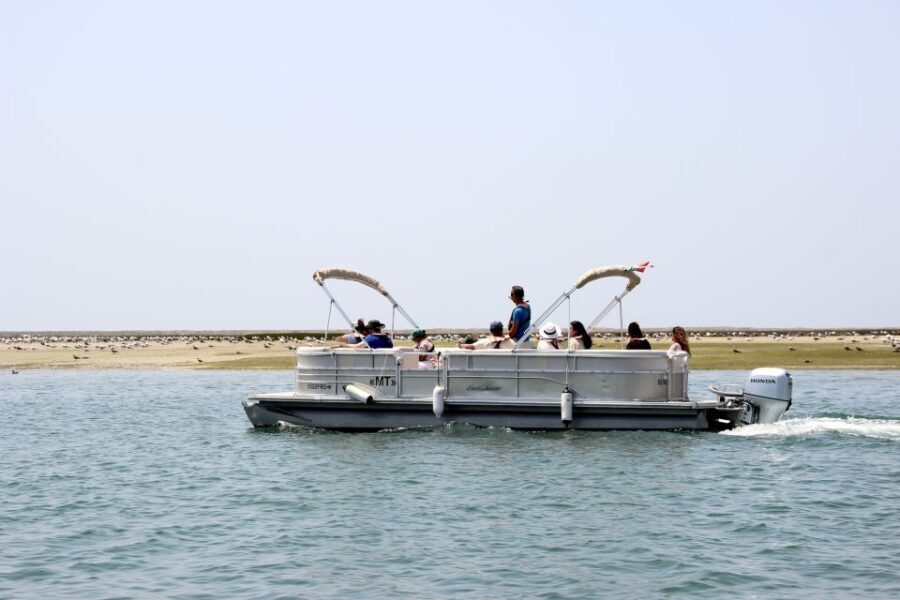
At $47 per person for a 2-hour guided cruise, this sits in the “reasonable and enjoyable” zone for a focused nature experience.
Here’s why it can feel like good value:
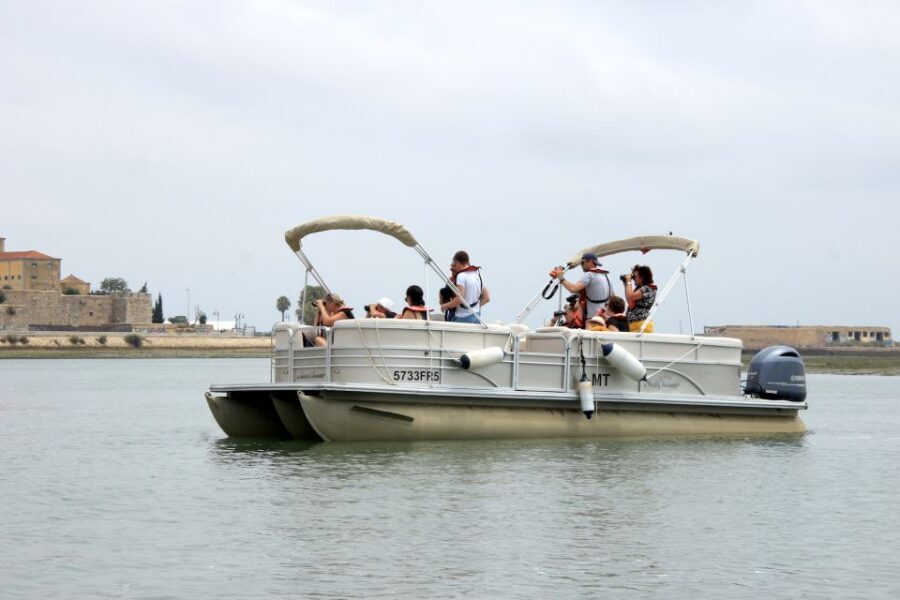
- Binoculars are included, so you’re not paying extra to see well.
- Live guide commentary keeps the experience from becoming passive sightseeing.
- You get a structured route through key wetland areas, including farm zones and a beach stop.
- Life vests are included, and that’s a small but practical comfort factor on the water.
It’s not a bargain in the way a free self-guided walk is. But bird watching is one of those hobbies where guidance pays off quickly—especially when you’re trying to identify birds you can’t easily distinguish with the naked eye.
If you’re comparing to DIY birding, remember that the timing and habitat access matter here. The whole point is being on the water in the right areas for the birds to show themselves.
What to bring (and how to dress) for the best comfort
The partner’s recommendations are simple and smart:
- Comfortable clothing and footwear
- Hat and sunscreen in spring and summer
- Waterproof clothing in autumn and winter
- Water
These tips matter because you’re on a boat and you also get a brief time on a beach stop. Weather can shift fast in coastal Portugal, and wet conditions can make surfaces slick.
Also, if you’re sensitive to sun or wind, bring something to cover your neck or shoulders. Even when it’s not freezing, coastal breeze can make you feel chilly on the return ride.
Accessibility: wheelchair-friendly cruising

The tour is described as wheelchair accessible. That’s a genuine plus for anyone who wants birding without needing stairs or uneven trails.
Still, bring your own common sense expectations. Boat spaces can be tight depending on conditions. If you need specific assistance, it’s worth confirming details with the operator ahead of time—especially if you use a powered chair or need extra room.
Price, timing, and schedule reality
Departure and arrival times, plus itinerary details and duration, can change due to weather, tides, and other security-related conditions. That’s normal for a nature-based boat trip, and it’s also why you should keep your day flexible if you can.
The tour duration is listed as 2 hours, but there’s one reported situation where a shorter outing occurred when only one person booked a slot. I’d treat that as an edge case, not the norm, but it’s still worth knowing if your schedule is tight.
Should you book this Faro bird-watching boat trip?
I’d book this if you want a nature experience that’s focused, guided, and easy to fit into a Faro day. It’s ideal if you enjoy wildlife viewing and you like knowing what you’re seeing, not just hoping you spot something interesting.
Skip it (or at least adjust expectations) if you’re looking for guaranteed sightings of a specific rare bird. This is a wetland system, and the birds shift with season and conditions. Also, if you know you’ll want a highly interactive Q&A style, plan to ask questions early.
If you want a calm, practical introduction to the Ria Formosa—and you want your bird watching to come with names and habitat context—this is a strong choice.
FAQ
Where does the tour start from?
The meeting point is at the Formosamar office in the shop Boat Tours Store, located on the ground floor of the Ginásio Clube Naval de Faro (Nautical Club of Faro).
What time should I arrive for check-in?
Be at the meeting point 10 minutes before the tour departure time to check in.
How long is the boat trip?
The tour duration is 2 hours, including wildlife viewing and the on-board experience.
Is there a beach stop?
Yes. The trip includes a stop of about 15 to 20 minutes at a deserted beach.
What’s included in the price?
Included: the 2-hour boat trip (with the beach stop), a local guide, live commentary onboard, use of binoculars, and life vests.
What languages are available for the guide?
The live guide commentary is available in Spanish, English, French, and Portuguese.
What bird species might I see?
The tour description highlights birds such as white stork, little egret, spoonbill, whimbrel, turnstone, grey plover, black-tailed godwit, oystercatcher, and in winter sandwich tern and greater flamingo. Exact species can vary by season.
Is the tour wheelchair accessible?
Yes, the tour is described as wheelchair accessible.
What should I wear or bring?
Wear comfortable footwear and clothing. Bring a hat and sunscreen in spring/summer, waterproof clothing in autumn/winter, and water.