REVIEW · ALGARVE
Olive Oil Private Tour in Portugal
Book on Viator →Operated by BOXTOURS · Bookable on Viator
Olhão plus olive oil hits differently than beach hopping. I love the hands-on look at a traditional mill, and I love getting to taste extra virgin olive oils side by side and learn what changes in the flavor. One thing to consider: the listed price doesn’t clearly confirm whether olive oil tasting and lunch are included, so you’ll want to check what’s bundled in your booking.
This is built for a short, satisfying day. You’ll be picked up from your hotel (pickup time depends on where you’re staying), ride with transportation provided, and spend about four hours experiencing the groves-to-bottle story in the Algarve. With a maximum of 12 people, you still get a real sense of how the process works, not a factory-style rush.
After the food and oil education, you’ll finish with a walk in Olhão’s downtown—an easy way to digest what you just learned. You get the cultural layer with the practical part: how olives are grown, harvested, crushed, filtered, stored, and bottled.
In This Review
- Key highlights you won’t want to miss
- From Olhão to a working olive mill: what the 4-hour day feels like
- A small caution that helps
- The traditional olive oil mill and how olives become extra virgin oil
- What you learn that pays off during tasting
- Olive oil tasting: how to read aromas and flavor differences
- What to watch for if you’re a food person
- Lunch in Olhão: seafood flavors where olive oil is part of the equation
- Budget check before you order add-ons
- Walking downtown Olhão after lunch: a slow finish that makes sense
- Price and value: is $192.74 a fair deal?
- Where value can vary (so you can decide faster)
- Who this tour fits best
- What I’d bring and how to enjoy it more
- Should you book this Algarve olive oil tour?
- FAQ
- What’s the duration of the Olive Oil Private Tour in Portugal?
- Where does the tour start and how does pickup work?
- How much does the tour cost?
- What’s included in the tour price?
- Is olive oil tasting included?
- Is lunch included?
- What group size should I expect?
- What’s the cancellation policy?
- What language is the tour offered in?
Key highlights you won’t want to miss
- Traditional olive oil mill visit: watch how olives move from groves to grinding to finished oil
- Olive oil tasting: compare aromas and flavors tied to olive variety and production steps
- Olhão lunch focus: seafood and local flavors where olive oil shows up in a big way
- Downtown Olhão stroll: a relaxed walk after you’ve eaten, so you can take in the town
- Small group size: capped at 12 people, with English-speaking guiding
From Olhão to a working olive mill: what the 4-hour day feels like
This is a focused half-day tour in Portugal’s Algarve region, timed to start at 9:00 am. The big promise is simple: you get the story of olive oil production, then you taste it, then you eat in Olhão, then you walk off the meal.
The flow matters. You’re not just “shown” olive oil. You learn the stages while you’re standing where the work happens: cultivation basics, harvesting, grinding, and the steps that take fruit to oil. That sequence makes the tasting later feel less random. When you smell and sip, your brain already understands why things differ.
Logistics are also pretty friendly. Pickup is offered from the reception of your hotel, and you get transportation as part of the experience. It’s listed as being in English, and the group limit is 12 travelers (so you’re not packed in). Mobile tickets are offered, which usually makes last-minute logistics easier.
Other private tours in Algarve


A small caution that helps
The tour description talks about tasting and lunch, but the price sheet marks olive oil tasting and lunch as not included. In real life, that often means they’re available as add-ons or depend on how your option is selected. Before you go, confirm exactly what’s included in your specific booking—otherwise you might be expecting lunch and finding it’s extra.
The traditional olive oil mill and how olives become extra virgin oil
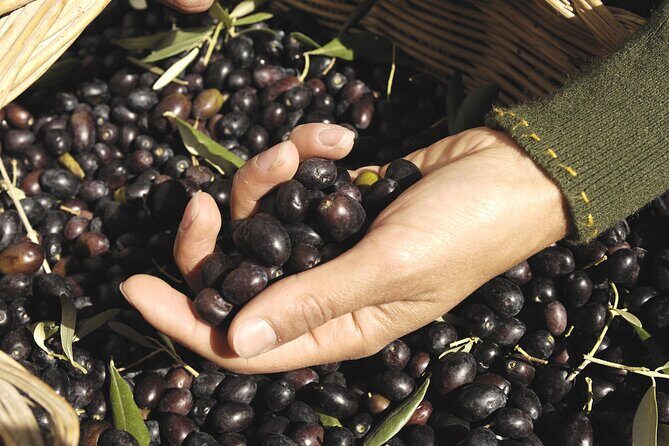
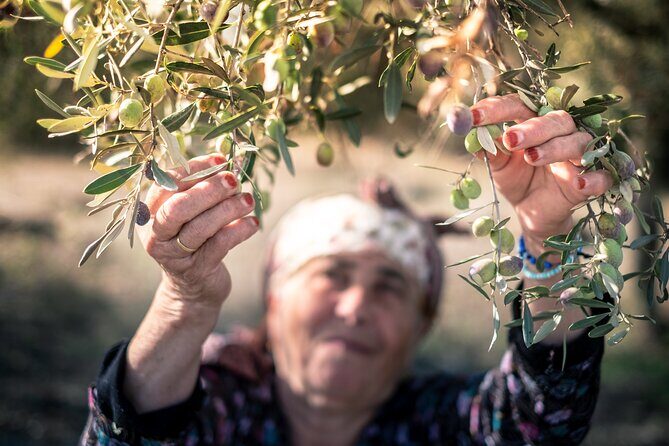
The heart of the day is the visit to a traditional olive oil mill, where the emphasis is on how things have been done for generations. The story you’re taught starts before the mill even gets involved: olive grove cultivation and how olives are handled before processing.
Here’s what you should expect to see and learn once you’re at the mill:
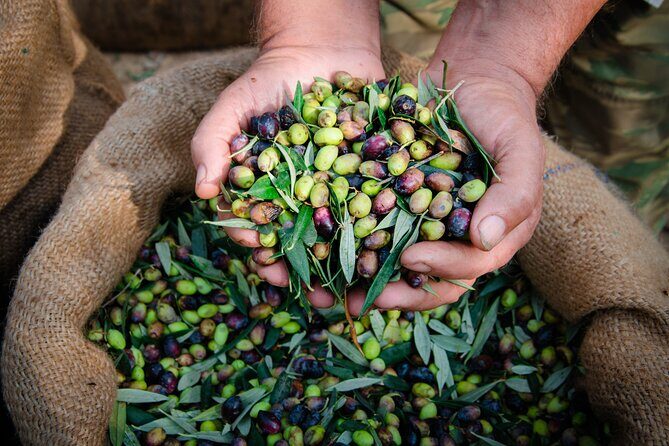
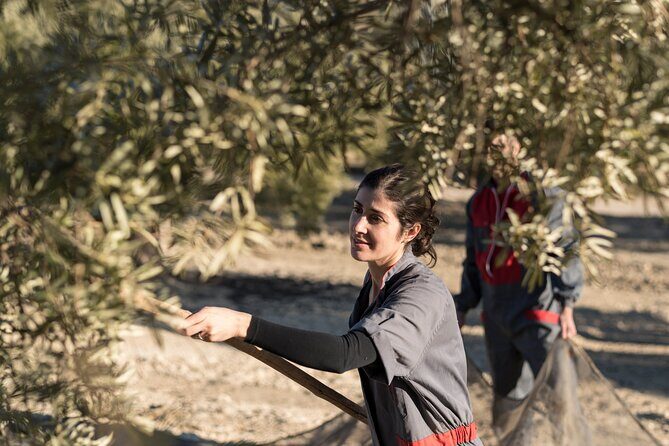
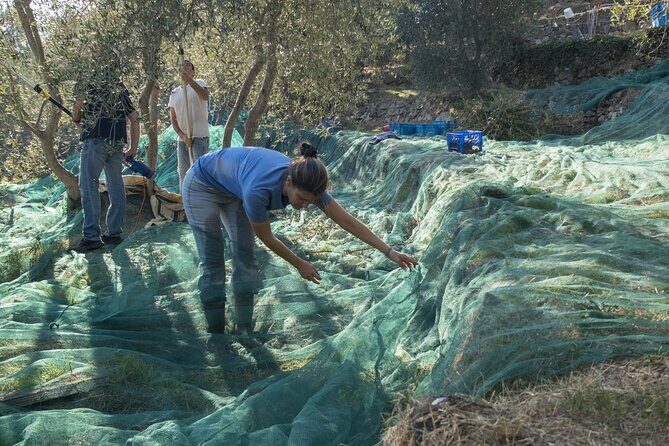
- Olives are selected and handpicked, then transported to the mill
- You’ll watch the grinding process, where fruit gets transformed into oil
- After grinding, the oil goes through steps like filtering, then storage and bottling
Why this is worth your time: it connects the idea of olive oil to real physical steps. Olive oil quality and character aren’t just marketing terms. They’re influenced by fruit handling, production methods, and what happens right after extraction—especially the moments between grinding and final bottling.
I also like how this kind of mill visit teaches you to look for differences. You’re not only learning what extra virgin olive oil is. You’re learning what changes from one lot to another, and what those changes can taste like later.
What you learn that pays off during tasting
If you take away just two things, make them these:
- Different olive varieties and production choices can shift the aroma and flavor profile.
- What happens during processing influences texture, bitterness, and the intensity of fresh, green notes.
That’s the kind of background that turns a tasting from a fun activity into actual understanding.
Olive oil tasting: how to read aromas and flavor differences
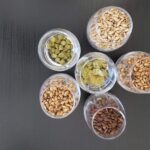
After the mill visit, you move into the olive oil tasting portion. The goal isn’t just sampling. It’s learning to recognize why one extra virgin olive oil smells different from another.
The tasting is described as a chance to discover inspiring aromas and flavors, with each variety and production process a new sensory experience. When you do it this way—after you’ve just seen the process—you’re more likely to notice patterns, like:
- Softer vs. sharper bitterness
- More peppery or more grassy aromas
- Lighter vs. fuller body
A practical tip: during the tasting, take a second to focus on aroma first, then taste. If you try to taste immediately without smelling, you’ll miss a lot of what makes each oil different.





What to watch for if you’re a food person
The best tastings give you comparisons. If multiple oils are offered, ask which one is from which olive variety (or production method), if that info is shared. Even a few basic labels help you remember what you liked and why. Then, later in the day when your lunch arrives, you’ll have a clearer idea of what you’re tasting when olive oil shows up on seafood and sauces.
Based on real experiences from past participants, this is often a moment people find surprisingly exciting—because the oils aren’t all “the same olive oil.” They can range from gentle to assertive, and that spectrum becomes part of the day’s enjoyment.
Lunch in Olhão: seafood flavors where olive oil is part of the equation
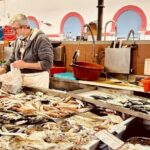
After the morning work at the mill, you head to Olhão, described as the land of fishermen. That’s not just a poetic line. Olhão’s food culture centers on seafood, and in this tour setup, the menu is meant to reinforce the olive oil theme.
Lunch is presented as typical food of the region, with fish and seafood often scented with olive oil, garlic, and coriander. That combination shows up in a lot of Portuguese seafood cooking, and here it’s specifically framed as a way to connect what you learned to what you eat.
One of the clearest signals from people who’ve done this experience is that lunch quality can be a highlight. Accounts mention local seafood dishes and great wine. Specific dishes named include:
- Amêijoas (clams)
- Arroz de peixe (fish rice)
Why lunch here adds real value: you get to taste olive oil in context. Olive oil isn’t just something you drizzle. It’s part of the flavor structure—tempering, rounding, and carrying aromatics like garlic and herbs.
Budget check before you order add-ons
Because the pricing info marks lunch as not included, you should confirm whether lunch is included in your selected option. If it’s an add-on, it’s still likely to be worth it because the tour’s whole story aims to connect mill to table. But don’t assume. Check so you can plan your spending and appetite.
Walking downtown Olhão after lunch: a slow finish that makes sense
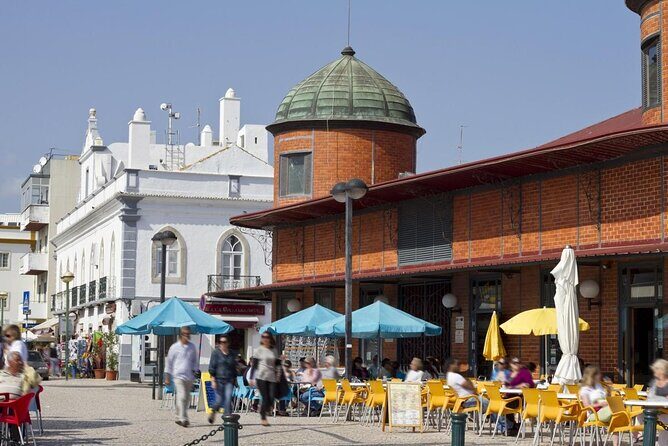
After eating, the tour transitions into a stroll around Olhão’s downtown. This is a smart pacing choice. A mill visit and tasting can be mentally active, then lunch brings the senses back in a big way. The walk is a natural reset.
The stroll is described as time in the city center, basically letting you digest what you experienced while taking in a real everyday town setting. One memorable detail from earlier experiences: people have talked about doing the downtown walk after lunch as a way to digest, which is exactly the point. It’s not a marathon. It’s a gentle close.
If you want the experience to feel fuller, use this time to connect the dots:
- Notice storefronts and everyday life as you think back to the mill process
- Keep in mind what you tasted, and imagine how local cooking likely uses the oils you sampled
- Don’t rush—this part is meant to be easy
Price and value: is $192.74 a fair deal?
At $192.74 per person, this tour is positioned as a paid experience with transportation and a guided mill visit included. You also get insurance in the listing, and the group is capped at 12, which usually helps with the feel of the day.
What you’re really paying for is not only the “visit.” It’s the guided explanation of olive grove cultivation and manufacturing, plus the time and effort to bring you between mill and Olhão. If you add tasting and lunch (if those are not included in your specific option), the day can become a true food-and-oil experience rather than just a quick stop.
Where value can vary (so you can decide faster)
Two things affect whether it feels like a good value for you:
- Whether olive oil tasting and lunch are included in your booking. They’re marked as not included, but the tour description clearly builds them into the full experience.
- Your personal interest level in olive oil. If you’re genuinely curious about how it’s made and how it tastes, this tour gives you structure. If you only want a quick flavor sample, you might not get maximum payoff.
Who this tour fits best
This fits great if you:
- Like food experiences that connect story to taste
- Want an authentic Algarve angle beyond beaches
- Enjoy short guided days and don’t want to spend all day traveling
What I’d bring and how to enjoy it more
This tour is fairly straightforward, but a few practical choices can make your day smoother.
- Wear comfortable shoes for the mill area and the downtown walk in Olhão.
- Expect a food portion after the tasting, so plan for a normal lunch appetite.
- If you’re sensitive to strong smells (grinding spaces can be intense), don’t panic—just take it slow during the processing part and you’ll adjust quickly.
Also, since the tour is offered in English, it’s worth asking any clarifying questions right at the mill. That’s when you’ll get the most benefit from guidance—especially for understanding what affects flavor differences later during tasting.
Should you book this Algarve olive oil tour?
Book it if you want an Algarve experience that feels grounded and edible. This is one of those rare half-day tours where the education and the payoff line up: you watch the process, then you taste, then you eat in Olhão with olive oil clearly part of the flavor story. The mill visit and tasting are the strongest reasons to go, and lunch plus a downtown stroll makes the whole day feel complete.
Skip (or at least confirm add-ons) if you’re budgeting tightly or you only want a quick look. Since the pricing info lists tasting and lunch as not included, you’ll want to verify what your exact ticket covers. Once you confirm that, the rest is a well-paced, small-group outing with transportation, an authentic production stop, and a satisfying Olhão finish.
If your goal is to leave the Algarve with more than photos—if you want to understand how olive oil becomes real food—this one is easy to recommend.
FAQ
What’s the duration of the Olive Oil Private Tour in Portugal?
It runs for approximately 4 hours.
Where does the tour start and how does pickup work?
The start time is 9:00 am. Pickup is offered, and you meet at the reception of the hotel you provide. Pickup time depends on where you are.
How much does the tour cost?
The price listed is $192.74 per person.
What’s included in the tour price?
The included items are insurance, visit to the traditional olive oil mill, and transportation (plus the full experience details listed by the provider).
Is olive oil tasting included?
Olive oil tasting is listed under not included, so you should confirm what option you’re booking.
Is lunch included?
Lunch is listed as not included in the price information, so confirm with your booking details.
What group size should I expect?
The maximum group size is 12 travelers.
What’s the cancellation policy?
Free cancellation is offered. You can cancel up to 24 hours in advance for a full refund.
What language is the tour offered in?
The tour is offered in English.