REVIEW · ALGARVE
Tavira: Tuk-Tuk City Tour
Book on GetYourGuide →Operated by Maria's TukTuk · Bookable on GetYourGuide
Salt pans, churches, and a quick Castle stop—done fast. This 100% electric tuk-tuk tour is a practical way to learn Tavira’s layout and history without baking on foot, with a highlight stop at the Salt Pans of Tavira in Atalaia. I love the quick photo-friendly breaks at major landmarks, and I love that you get guided context so the buildings make sense. One thing to plan for: each stop is brief, so you’ll see a lot, but not spend long inside every site.
You’ll ride through areas like Alto de São Brás and the historic center, then loop toward the Castle. If your group includes older relatives or you’re arriving on day one, it’s an efficient orientation move.
At $45 per person for one hour, it’s not a bargain price, but it can feel like good value when you’re using it to map out what you want to revisit later (and you want to do it with minimal effort). Just know food and drinks aren’t included, so plan accordingly.
In This Review
- Key highlights you’ll feel right away
- A 1-hour electric tuk-tuk overview of Tavira’s best history stops
- Finding Maria’s TukTuk and getting comfortable for the ride
- Alto de São Brás and Nossa Senhora do Carmo: where the tour finds its footing
- Atalaia Salt Pans: the 5-minute stop that connects work, religion, and memory
- São Sebastião photos, barracks, and churches along the route
- Liberdade Street to Praça da República: a quick read of Tavira’s center
- The historic core toward the Castle: Convent of Graça, Santiago, Santa Maria, Misericórdia
- Price and value: what $45 buys for a first day in Tavira
- Should you book this Tuk-Tuk City Tour in Tavira?
- FAQ
- How long is the Tavira Tuk-Tuk City Tour?
- What does the tour cost?
- Where do I meet for the tour?
- What kind of vehicle is used?
- What major stops are included on the route?
- What languages does the guide speak?
- Is it a private tour, and is it wheelchair accessible?
- Is food or drinks included?
- Are there restrictions on what I can bring?
- Can I cancel, and do I pay immediately when booking?
Key highlights you’ll feel right away
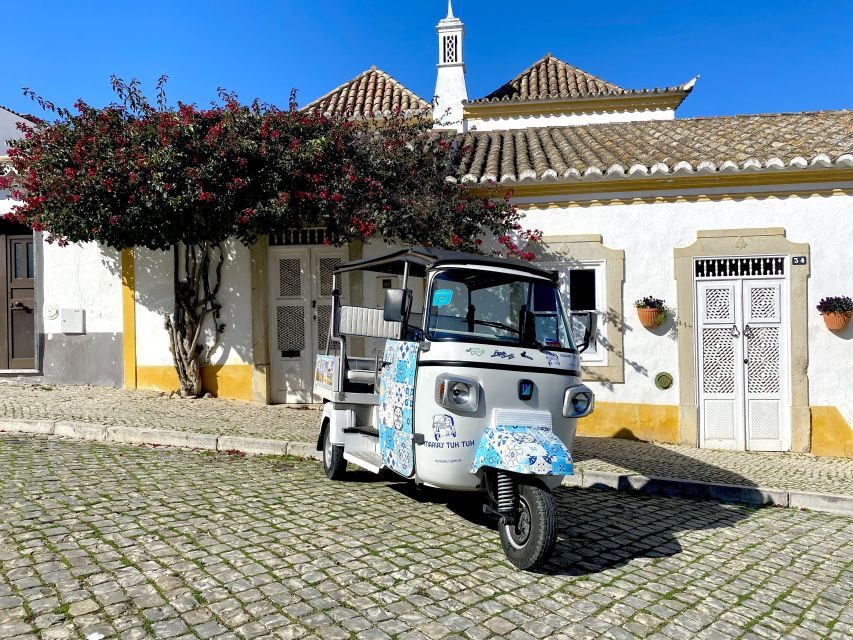
- A 100% electric tuk-tuk ride that keeps things light and low-stress in the heat
- Salt pans at Atalaia with a short stop that connects the working salt story to local heritage
- Big-church focus, including the Church of Nossa Senhora do Carmo (the largest church in Tavira)
- Photo breaks built into the route, including a quick stop at Church of São Sebastião
- A historic-center loop passing major religious landmarks and working your way toward the Castle
- Private group format with a live guide speaking English, French, Spanish, or Portuguese
A 1-hour electric tuk-tuk overview of Tavira’s best history stops
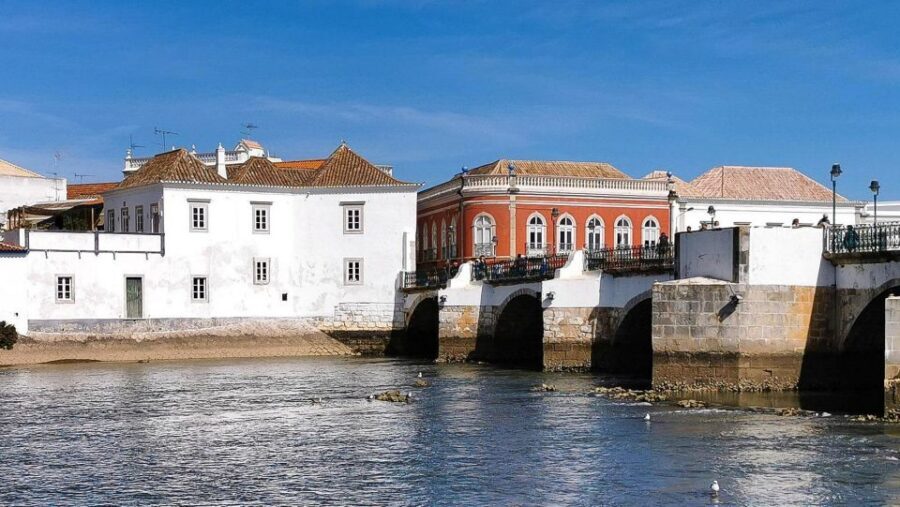
Tavira has a compact old town feel, but it also has hills, tight streets, and stretches where you’ll wish you weren’t on a full walking schedule. This is where a tuk-tuk tour earns its keep. In just 1 hour, you get guided context across a route that covers multiple neighborhoods, not just one corner.
I like this format because it reduces decision fatigue. Instead of guessing which streets are worth your time, you’re shown the landmarks that locals point to: the major churches, the salt-pans area, and the Castle area. Then you can decide later what’s worth a longer visit.
The tour’s pace is also built for real-world travel. Stops like the salt pans and the Castle are timed at around 5 minutes each, which is just enough for a few key photos and a sense of place. If you’re the kind of person who wants long, slow museum-style time, you’ll likely want to pair this with a second visit after your orientation.
Other tavira tours we've reviewed in Algarve



Finding Maria’s TukTuk and getting comfortable for the ride
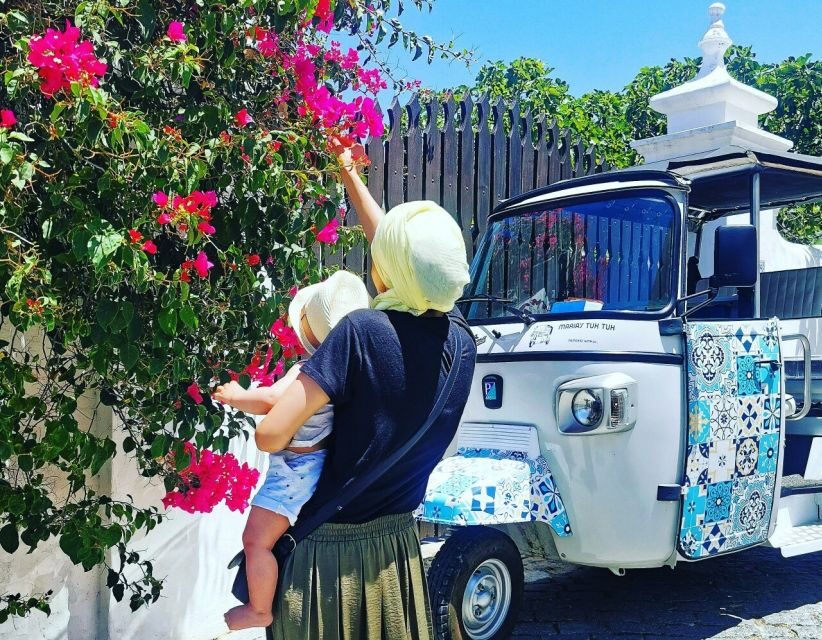
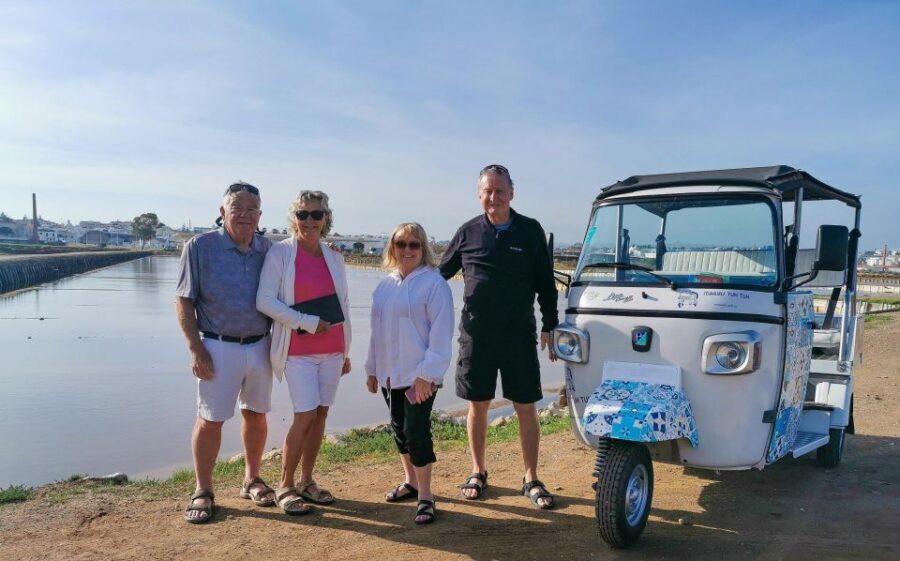
Your meeting point is R. Gonçalo Velho 7, near Aguarela Café, with a sign for Maria’s Tuk Tuk. Plan to arrive a few minutes early so you can settle in and start on time—this is a short tour, so there’s not much slack.
You’ll ride in a private group with a live guide, and the vehicles run on 100% electric power. That matters more than it sounds: in warm months, a short ride between stops feels like a built-in cool-down.
A couple of practical rules keep the experience smooth:
- No luggage or large bags are allowed in the vehicle.
- No alcoholic drinks are allowed on the tuk-tuk.
This isn’t a “dress up” kind of tour, but it is a movement-and-sitting setup. Wear comfortable shoes for quick transitions, and bring whatever you need for water on a hot day since food and drinks aren’t included.
Guides operate in English, French, Spanish, and Portuguese, so you won’t be stuck relying on one language. From guide names that come up often in the tour experience—like Maria, Lori/Laurie, and Joao/Joél—you can expect story-driven stops rather than dry recitation, including little local details that help buildings feel tied to real life.
Alto de São Brás and Nossa Senhora do Carmo: where the tour finds its footing
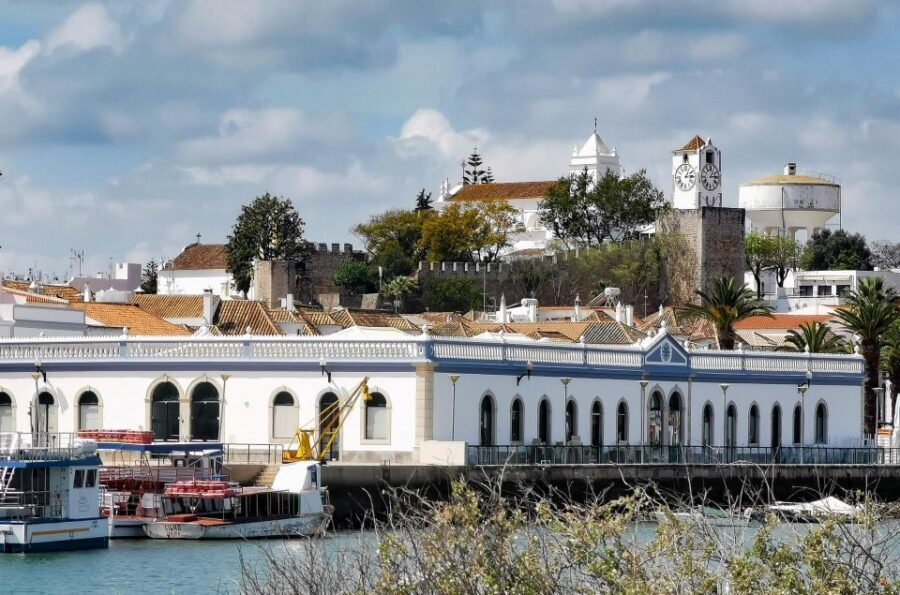
The tour starts shaping your understanding of Tavira early, with stops in the Alto de São Brás area. You’ll pass through this zone and see the Chapel of São Brás. Even if you don’t know the religious history on day one, a chapel stop like this gives you a local anchor—small places often explain the bigger ones.
Then comes one of the tour’s big “wow” markers: the Church of Nossa Senhora do Carmo, described as the largest church in Tavira. Even on a quick stop, seeing a landmark of that size helps you understand why the route focuses on churches. Tavira’s identity shows up in religious architecture, and this is one of the fastest ways to get oriented without studying a map for hours.
This section also does a smart thing: it connects place to story. When the guide links why a church matters, you start noticing details you’d otherwise miss—like design choices, how the streets feed into the building, and what kind of neighborhood grew around it.
If you’re short on time in Tavira, this is a good area to pay attention closely, because it’s the kind of site you’ll likely want to revisit with a slow walk later.
Atalaia Salt Pans: the 5-minute stop that connects work, religion, and memory
The most specific “must-see” stop is at the salt pans area in Atalaia. You’ll have about 5 minutes there. That may sound short, but it’s long enough to take in the scale and to understand why salt production became part of local identity.
What makes this stop more than a scenic pause is what surrounds the salt pans. In this area, you’ll find the Convent of Bernardas and the former prison. Even if you only catch glimpses, those names matter. They turn the salt story into a broader story about people, labor, and the way Tavira organized life around a key resource.
This is also one of those stops that helps you photograph better. You’re not just shooting the ground or the water—your guide can help you frame the scenes so you know what you’re looking at and why it matters.
Practical note: because the stop is short, don’t rely on getting every picture you want in one moment. Use the time for:
- a wide shot to capture the “working salt” feel
- one or two close-ups that show texture
- a quick look back to register where the area sits in relation to town
Also, if you’re hoping to buy salt or small souvenirs, it can help to ask your guide if anything is available nearby during your timing. One guide-run experience included an impromptu stop connected to buying local salt, so flexibility can happen when the schedule allows.
São Sebastião photos, barracks, and churches along the route
After the salt pans, the tour keeps moving through another “photo and context” cluster. You’ll stop at the Church of São Sebastião for around 5 minutes. This is a classic quick-hit moment: enough time to get a few photos and to let the guide point out what makes the church worth your attention.
From there, the route continues through more landmarks by ride-by viewing, including military barracks, plus churches such as:
- Church of São Francisco
- Church of São José
As you move through town, you’ll also pass through Liberdade street and reach República Square, in the city center. I like this because it gives you a sense of how Tavira’s daily life overlaps the historic pieces. You’re not stuck looking only at museums—you’re seeing where people likely walk, meet, and pass through between older sites.
One thing I’d suggest for your first hour in Tavira: use the ride sections actively. When you’re traveling between stops, listen for the guide’s quick explanations of what each building type meant. You’ll start spotting patterns, like religious buildings acting as waypoints, or how streets bend toward key areas.
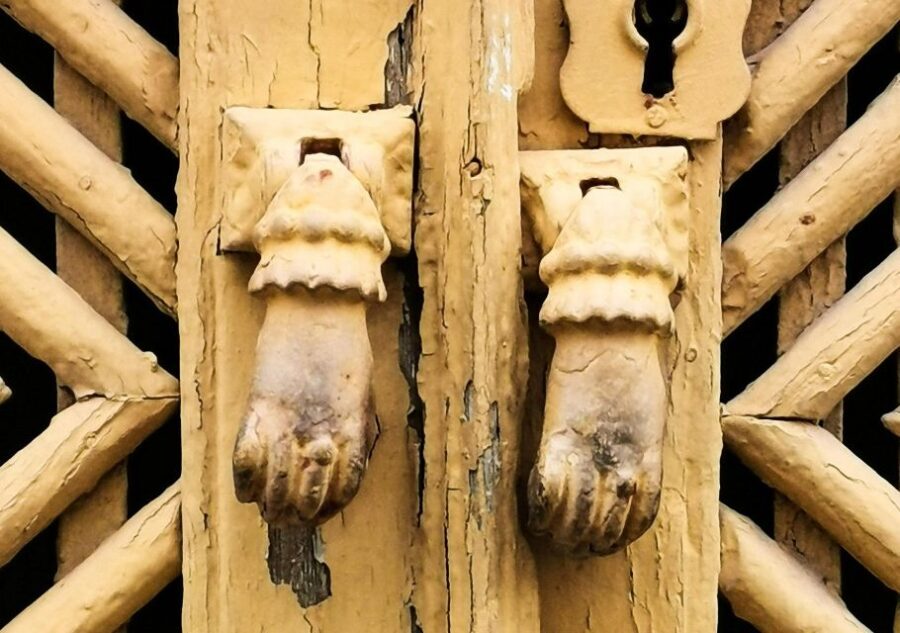
If you care about door details and symbols, keep an eye out. In guide storytelling on this tour style, you may get context for small decorative elements—like meanings behind hand decorations on doors—because those details often tie into local traditions.
Other tuk-tuk tours we've reviewed in Algarve




Liberdade Street to Praça da República: a quick read of Tavira’s center

República Square is where the tour places you in the heart of the city experience. This matters because it’s the moment you shift from “historic highlights” into “how the city functions.”
Tavira’s center isn’t just scenic. It’s practical: it’s where you can imagine getting coffee, buying essentials, or planning your next walk. When the guide points out what you’re seeing from the tuk-tuk, you can use that as a map for later.
Similarly, Liberdade street helps you orient to movement. Even if you don’t stop there, passing through it tells you how the older parts of town connect to more active, everyday streets.
A small advantage of the tuk-tuk format here: you don’t have to constantly stop and start. That keeps your mental map in place. You’ll likely leave the tour with a cleaner sense of direction than if you were trying to do everything on foot right away.
If you want to do this as a true first-day plan, arrive ready to take notes. Even a quick phone screenshot of street names can help later when you want to revisit the best bits.
The historic core toward the Castle: Convent of Graça, Santiago, Santa Maria, Misericórdia
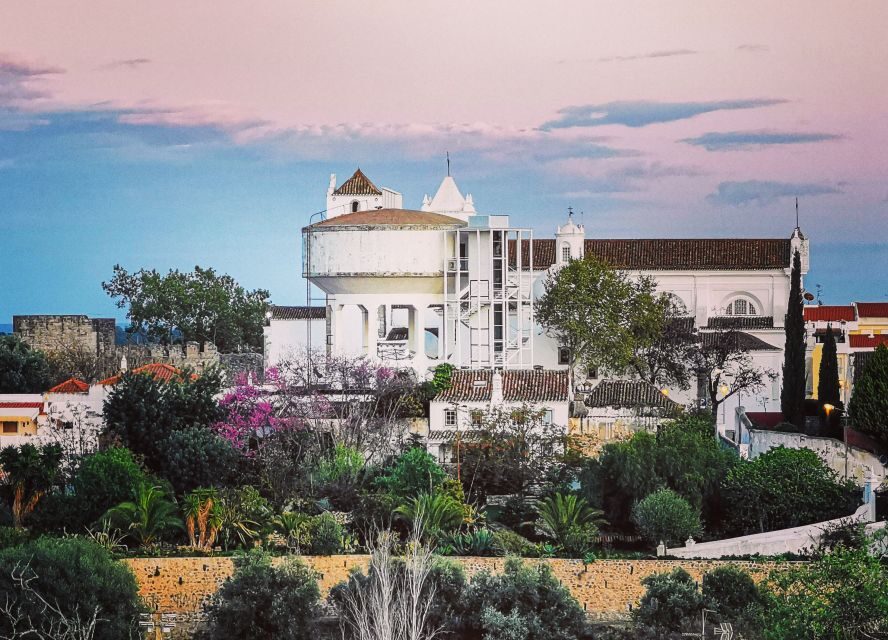
This is the part of the route that feels most like walking into history—just without the uphill effort. You’ll reach the historic area and pass key landmarks in sequence:
- Convent of Graça
- Santiago church
- Santa Maria church
- Misericórdia church
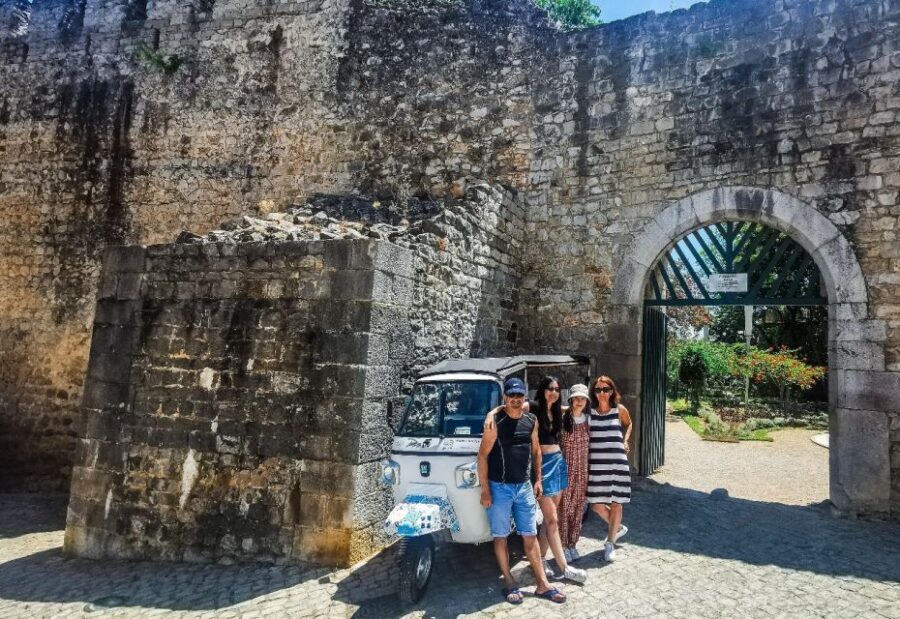
- and then the Castle, with another short 5-minute stop
The guide focus on these sites is smart. Instead of giving you one “main attraction,” it gives you a chain of important pieces. Each church or convent acts like a clue. When you see them back-to-back, you can spot differences in style, scale, and location—then later, you can choose which one you want to study more closely.
The Castle stop is brief by design, so treat it like a viewpoint-and-location moment. Get your orientation shot, note what you want to return for, and then move on while you still feel energetic. This is especially helpful if you’re planning to pair the tour with another activity later, like a sunset walk or an afternoon exploring museums and smaller streets.
One extra storytelling angle you might hear here: local folklore, including references linked to bridges and older influences in the area. Those small anecdotes can make the historic geography feel less abstract and more personal.
Price and value: what $45 buys for a first day in Tavira
Let’s talk value. At $45 per person, you’re paying for three things at once:
1) a live guide who explains what you’re seeing
2) transport by electric tuk-tuk so you can cover more ground with less effort
3) a timed route that hits several major sites in a short window
If you’re only in Tavira briefly, the “cover ground fast” part is the real cost advantage. You’d likely spend more time and energy trying to do the same set of stops on your own, especially if your goal is to understand what each church, convent area, and viewpoint means.
This is also a good value move if you’re the kind of traveler who likes to return later. The tour is short, but it tees you up for follow-up visits. When you already know which sites matter to you, your next walk feels targeted instead of wandering.
Is it for everyone? Not necessarily. If you want long indoor time—say, 45 minutes in a church or a deep dive at the salt pans—this won’t be that tour. This is the quick hit that helps you decide what deserves your time afterward.
Should you book this Tuk-Tuk City Tour in Tavira?
Book it if:
- you want a fast first-day orientation around Tavira’s biggest historic touchpoints
- you’d rather ride than push yourself through steep streets in hot weather
- your group includes someone who needs an easier pace
- you want a guide to translate what you’re looking at, from salt pans to major churches
Skip it if:
- you hate short stops and want long, slow visits
- you’re the type who enjoys building your own route without a set path
- you’re traveling with large bags (since luggage or large items aren’t allowed in the vehicle)
If you’re deciding where to spend your time in the Algarve, this is one of those solid, practical choices. You’ll leave with a stronger sense of direction and a short list of places to revisit at your own pace.
FAQ
How long is the Tavira Tuk-Tuk City Tour?
The tour lasts 1 hour.
What does the tour cost?
It costs $45 per person.
Where do I meet for the tour?
Meet at R. Gonçalo Velho 7, near Aguarela Café, with a sign for Maria’s Tuk Tuk.
What kind of vehicle is used?
The tour is carried out on a 100% electric tuk-tuk.
What major stops are included on the route?
You’ll pass through Alto de São Brás and see the Chapel of São Brás, visit the Church of Nossa Senhora do Carmo, stop at the Salt Pans area in Atalaia, visit the Church of São Sebastião briefly for photos, pass several churches and city areas, and then stop near the Castle for about 5 minutes.
What languages does the guide speak?
The live guide speaks English, French, Spanish, and Portuguese.
Is it a private tour, and is it wheelchair accessible?
Yes. It’s a private group tour and it is wheelchair accessible.
Is food or drinks included?
No. Food and drinks are not included.
Are there restrictions on what I can bring?
Yes. Luggage or large bags are not allowed, and alcoholic drinks are not allowed in the vehicle.
Can I cancel, and do I pay immediately when booking?
You can cancel up to 24 hours in advance for a full refund. You can also reserve now & pay later, so you don’t pay anything today.