REVIEW · ALGARVE
Coasteering Algarve: Cliff Jump, Swim & Climb in Sagres
Book on GetYourGuide →Operated by Coastline Algarve · Bookable on GetYourGuide
Cliff jumps start with a calm briefing. In Portugal’s Costa Vicentina Natural Park between Sagres and Lagos, you wear gear, follow the coastline on foot, and work your way into sea-cave swims where the water turns jewel-bright. Guides such as Nelson (and Clara, in some groups) bring the cliffs to life with practical safety coaching and local nature talk.
The best part for me is how the experience balances adrenaline with control: you start small, build confidence fast, and choose how far you want to go. The ocean scenery is unreal, but you’re not just sightseeing—you’re moving, climbing, swimming, and learning what you’re looking at as you go.
One possible drawback: this is physically demanding and not for everyone. If you’re a non-swimmer, fear heights, or your fitness level is low, skip it and pick an easier coastal activity instead.
In This Review
- Quick hits before you go
- Costa Vicentina Coasteering in Sagres: What You’re Actually Signing Up For
- Meeting at The Den Café and Getting Suited Up for the Ocean
- The Van Ride to Ingrina Beach: Why the Timing Works
- Ingrina Beach Safety Briefing: The Coaching That Changes Everything
- Exploring the Coastline: Hidden Beaches, Cliffs, and Real Nature Notes
- Cliff Jumping, But With a Built-In Ladder
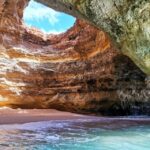
- Sea Caves and Grottoes: Transparent Turquoise Water on Your Route
- Climbing and Traversing the Rocky Shoreline
- The Walk Back on the Coastal Path: A Different Kind of Views
- Price and Value: Is $74 Worth It?
- Who Should Book This Coasteering Session (and Who Should Skip It)
- What to Pack: Simple Stuff That Makes the Day Better
- Should You Book Coasteering Algarve in Sagres?
- FAQ
- How long is the coasteering tour in Sagres?
- What is the maximum cliff jump height?
- Are hotel pickup and drop-off included?
- What do I need to bring with me?
- Do I need to be able to swim?
- What age is this activity suitable for?
Quick hits before you go
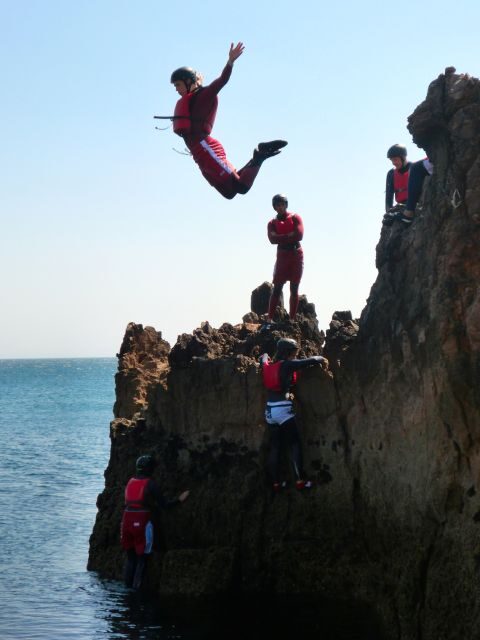
- Costa Vicentina Natural Park gives you that wild Algarve coast feel, between Sagres and Lagos
- Progressive cliff jumps up to 10 meters so you can learn the technique before the scary bits
- Sea-cave and grotto swims with clear water that makes every entry feel like a reset button
- Guided geology and marine life spotting so it’s not just an adrenaline workout
- Photos and video included taken during your session (GoPro style), so you don’t have to worry about your hands
Costa Vicentina Coasteering in Sagres: What You’re Actually Signing Up For
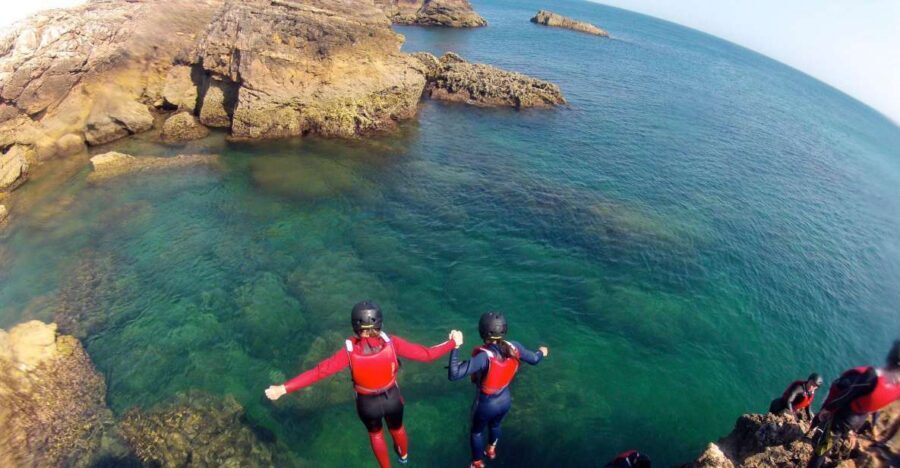
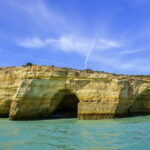
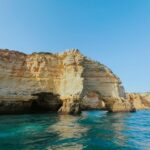
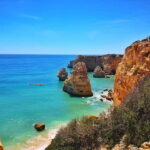
Coasteering Algarve is basically a guided route along the coastline where you’ll switch between walking, scrambling, swimming, and cliff jumping. In this case, it happens on the southwest Algarve coast in the Costa Vicentina Natural Park, a stretch known for dramatic cliffs and lots of rock features that naturally form caves and grottoes.
You’ll spend your 3.5 hours outside and active, not standing around. That’s why this tour feels more like a personal challenge than a typical excursion. If you want a “one-and-done photo stop,” this won’t scratch that itch. If you like getting your body involved and learning as you go, it’s a great fit.
Also, the guides set the tone early: safety first, then options. Even if you’re nervous, you’re not automatically pushed into the biggest jump. The coaching is built around building confidence—step by step—so you can decide what feels right on the day.
Other sagres & cape st vincent tours we've reviewed in Algarve


Meeting at The Den Café and Getting Suited Up for the Ocean
Your meeting point is simple: it’s next to The Den Café, with the partner’s garage two doors down. Street parking is available, which helps if you’re driving to the Sagres/Lagos area.
From there, you’ll go by van for about 5 minutes to the main start area at Ingrina Beach. That short ride matters because the activity time is tight. You’re not losing half your afternoon to logistics.
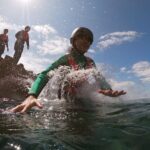
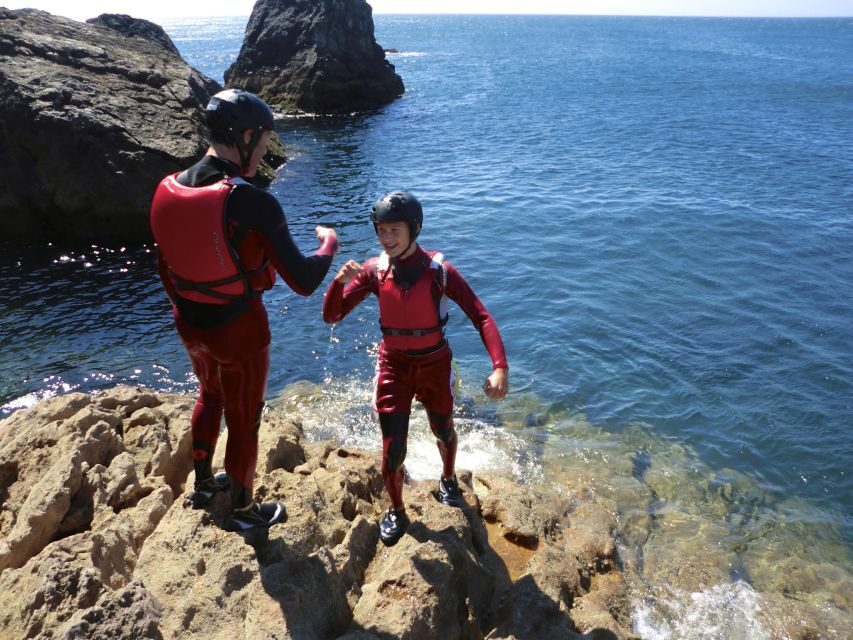
Then comes the part that makes the whole day more comfortable: getting into the right gear. You’ll be provided with a wetsuit, buoyancy aid, helmet, and shoes. The combination does two things at once: it helps with warmth and it keeps you safer when you’re moving around slippery rocks and jumping into ocean water.
Bring swimwear under the wetsuit, then plan to change after. The tour does not include towels or food and drinks, so you’ll want to pack what you need for the walk back to real life.
The Van Ride to Ingrina Beach: Why the Timing Works
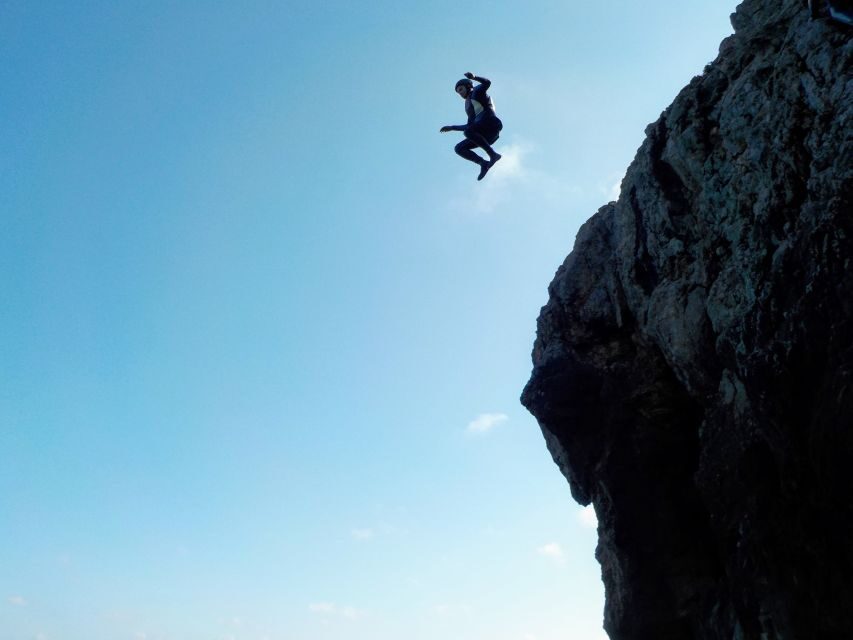
The tour runs for 3.5 hours, and the schedule is built around action, not waiting. You meet, suit up, do a short travel hop, and then you’re ready for the guided route at Ingrina Beach.
That small van transfer is a practical detail that I really like. You avoid spending extra energy walking from a distant car lot, and you get straight into the water-and-rock rhythm. When your session is only a few hours long, every minute counts.
Late afternoons can also get windy once the activity finishes. So if you’re going in the afternoon, plan your layers. A light sweater can turn the last stretch from annoying to actually comfortable.
Ingrina Beach Safety Briefing: The Coaching That Changes Everything
Before you move along the coast, you’ll get a safety briefing about conditions and how the route works. This matters more than most people think, because coasteering is not just “jump and hope.”
You’ll learn how to manage:
- how to approach entries and exits from the water
- what to do around the rock surfaces
- how to handle the switch from swimming to climbing and back again
The vibe is important too. In the guides’ style—often mentioned by name—there’s a calm, confidence-building approach. For example, guides like Nelson are repeatedly described as making first-timers feel at ease, and emphasizing that you only do the jumps you’re comfortable with. That reassurance is huge when you’re standing at the edge and your brain starts doing math like What if I slip?
You’ll also get the conditions explained. Ocean days can change, and the guide needs to adjust the route and jump options accordingly. That’s part of why a fully qualified guide is included.
Exploring the Coastline: Hidden Beaches, Cliffs, and Real Nature Notes
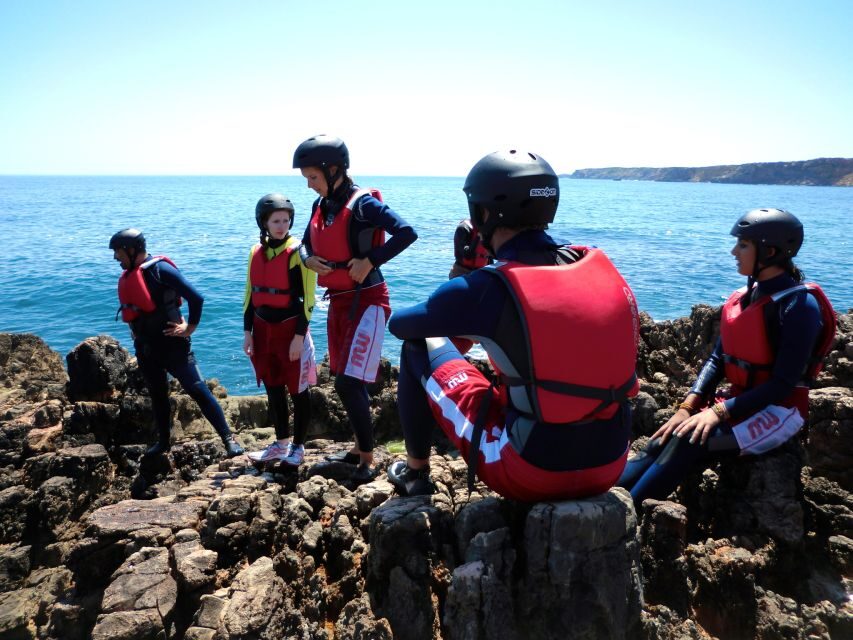
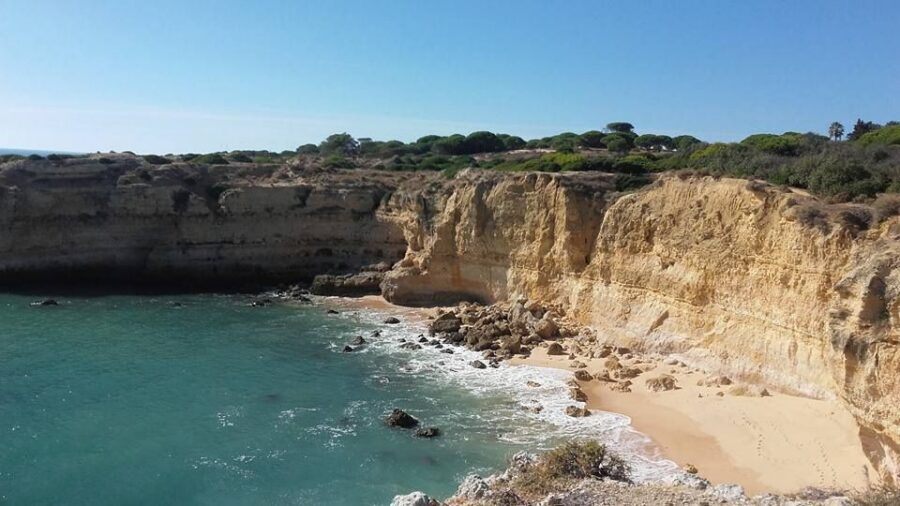
Once you start along the shoreline, you’ll do a mix of walking and exploring. The guide will take you along cliffs, rock formations, and quieter spots you’d usually miss if you just drove past.
This is where the nature info turns the experience into something you’ll remember later. You’ll learn about marine life and local traditions, and you’ll get grounded in Algarve geology—not as a lecture, but tied directly to what you’re looking at while you move.
You’ll also see how the coastline shapes the activity. Sea caves and grottoes exist because of erosion and rock formations. When the guide points out the “why” behind the scenery, the route starts making sense instead of feeling random.
One of the best benefits here is that you get multiple mini-adventures in one session: a walk that becomes a scramble, which becomes a swim, which leads to a cave entry. It keeps the day from feeling repetitive.
Other algarve hiking & coasteering we've reviewed in Algarve
Cliff Jumping, But With a Built-In Ladder
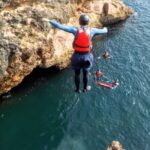
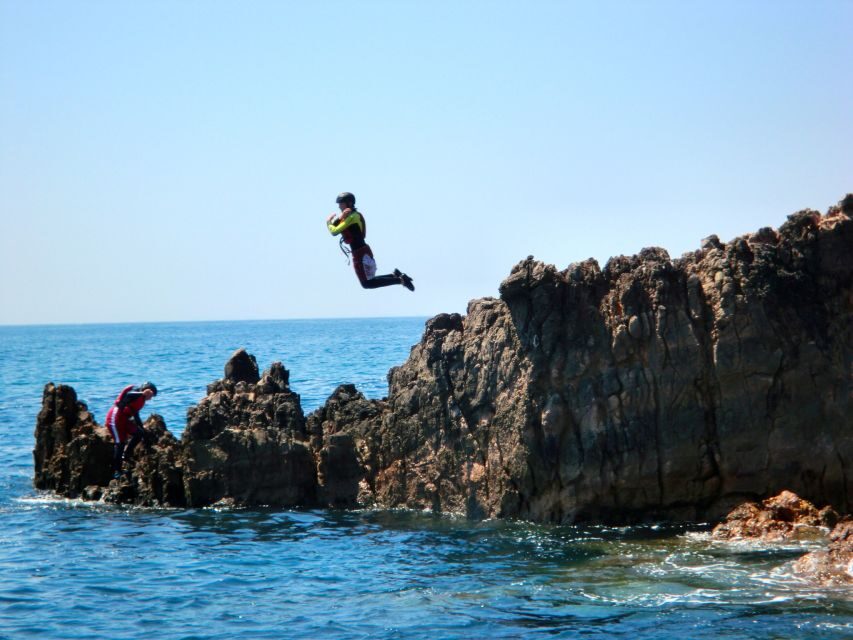
Yes, the cliff jumping is the big headline. But the tour’s real strength is how it teaches you to do it safely and progressively.
You’ll start with small jumps first, focusing on confidence and technique. Then the guide builds up to jumps of up to 10 meters. That step-by-step climb matters because your body learns what the action feels like before you go bigger.
Some days, the “big moment” is the 10-meter-style jump. Other days, it’s the first time you trust your entry and your breathing. Either way, you’re getting coached through the whole process.
Also, you’re not locked into jumping everything. If you don’t want the higher jumps, you can still participate heavily—there’s plenty of swimming to each cliff and lots of climbing along the rock route. That flexibility is a big deal for mixed groups, including groups where one person is braver than the rest.
Sea Caves and Grottoes: Transparent Turquoise Water on Your Route
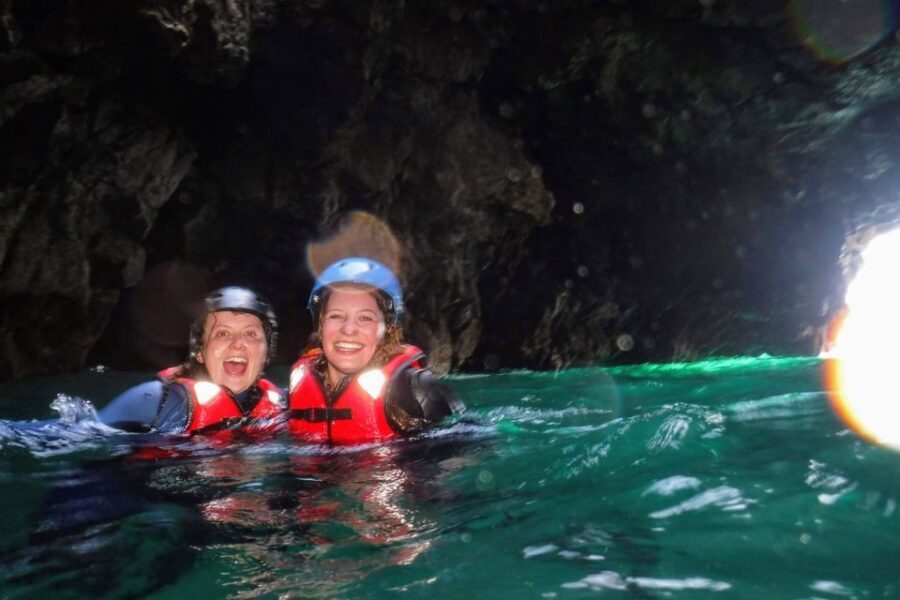
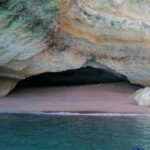
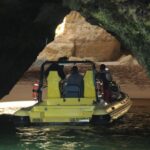
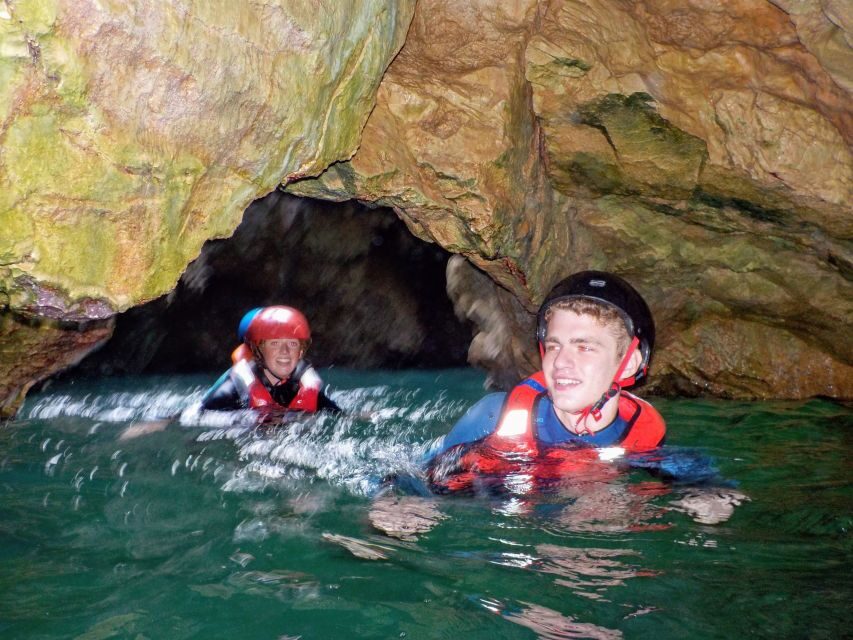
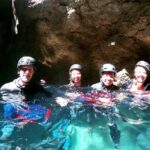
Swimming inside sea caves and grottoes is one of the most praised parts of this tour. You don’t just glance at the coastline—you enter the rock features and experience how ocean light changes inside.
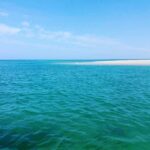
The water is described as clear and turquoise, which is exactly why cave swims feel so dramatic. You can often see where you’re headed, and the color difference between open ocean and sheltered rock spaces is striking.
There’s also a strong “look, don’t just go” element here. Guides point out marine life as you pass and talk about what lives in these waters. That turns the swims from a purely physical task into something observational.
And yes, there’s also a chance to jump inside the grottoes, which adds another layer of wow. Just remember: cave entry and jump decisions still depend on conditions that day, so listen closely and trust the guide’s call.
Climbing and Traversing the Rocky Shoreline
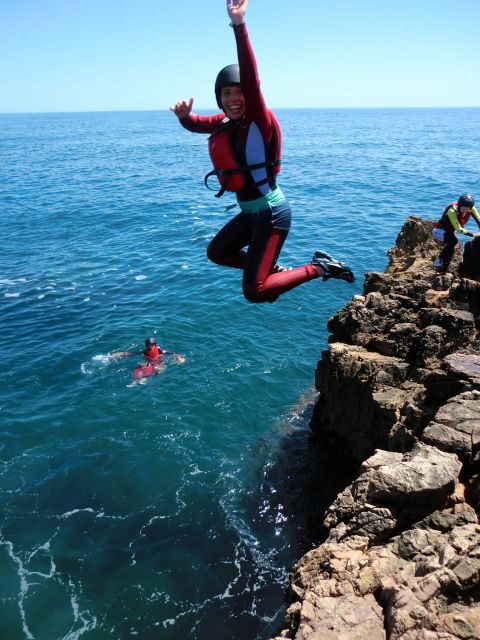
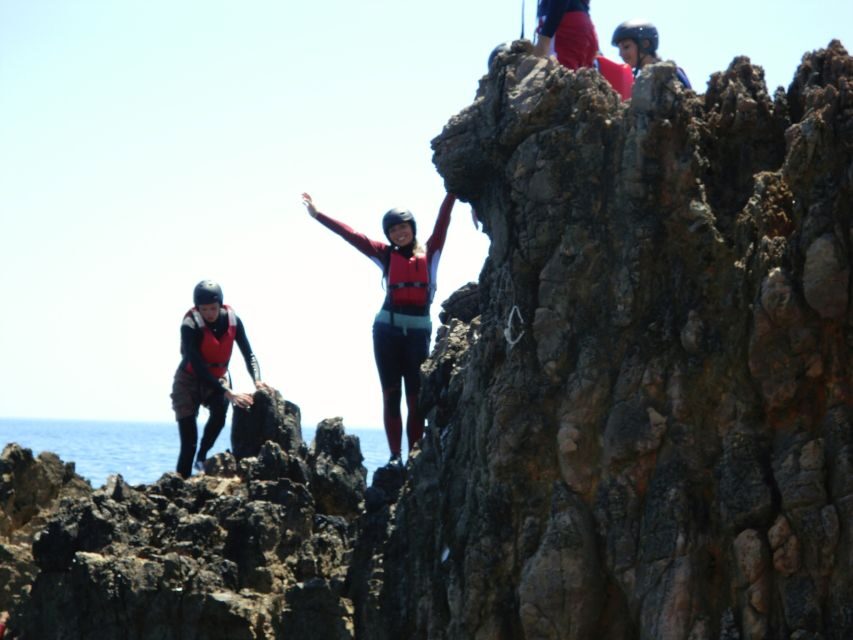
Coasteering isn’t only water time. You’ll also climb and walk along the rocky shoreline as part of the route. That’s why the activity is not recommended for people with low fitness, mobility impairments, or anyone who dislikes heights.
In practical terms, you should expect:
- using your legs and core to move over uneven rock
- short bursts of effort, then swimming again
- a lot of concentration on footing and balance
One review-like theme you’ll see in the feedback is that the guides help people feel in control during climbs and jumps. The coaching isn’t just safety rules—it’s reassurance plus technique. That makes it easier to focus on the next move instead of spiraling into panic.
Also, if you’re worried about the “cliff” part, know this: there are ways to adjust the experience. The guide encourages trying bigger jumps if you want, but there’s always an option to stay with smaller entries or climb back down to the water if needed.
The Walk Back on the Coastal Path: A Different Kind of Views
After the main action, you’ll head back by walking over the cliffs along a scenic coastal path. This is your breather moment, but it’s not a leisurely stroll.
By then, you’re likely tired in a good way: arms and legs worked, lungs awake, and head buzzing with what you just did. You’ll chat about the experience while moving along the coast, and the scenery shifts again once you’re not focused on swimming and jumping.
It’s also the part where you notice wind more. Late afternoon can get breezy, so plan your layers. Having a sweater ready beats trying to do “cold towel-free hero mode” at the end.
Price and Value: Is $74 Worth It?
At $74 per person for about 3.5 hours, this is priced like a real adventure class, not a casual sightseeing tour. The value comes from a few specific things that add up fast:
- Proper gear is included: wetsuit, buoyancy aid, helmet, shoes. That’s not just convenience—it’s safety and comfort.
- Fully qualified guiding through a technical route along cliffs and into caves.
- Equipment-based logistics like protecting you for the ocean and rock portions.
- Photos and videos included, so you get proof of the jumps and cave swims without trying to manage a camera in a wet, cold, adrenaline moment.
What’s not included is equally important for judging value. You’ll need to plan for towels and food/drinks yourself. Water is listed as something to bring, and one common practical complaint is that you can get thirsty by the end. So treat this as a workout: pack water, and consider a snack for after.
If you’re the type who’ll remember an experience because your body took part in it—then yes, $74 can feel like a bargain. If you want an easy, mostly-sitting tour, you might feel like you paid for misery. Match the activity level to your day.
Who Should Book This Coasteering Session (and Who Should Skip It)
This tour is best for people who like action and can handle water work plus uneven rock. It’s often ideal for groups, including hen and stag parties, because it’s social, energetic, and naturally creates brag-worthy moments.
It can also work for families who are comfortable with outdoors, as long as kids meet the age rule. The key limits are straightforward:
- not suitable for children under 13
- not recommended for non-swimmers
- not for people with low fitness
- not for anyone with phobias of heights
- not suitable for pregnant women or people with mobility impairments
If you’re a first-time cliff jumper, that’s not a problem. The guiding style is described as progressive and confidence-focused, with an emphasis on safety and no pressure to jump beyond your comfort level.
If you want the coast experience but your comfort zone is smaller, you can still participate a lot through swimming and climbing. The option to do smaller jumps—or focus on the swim portions—is part of what makes this tour work for more than just thrill-seekers.
What to Pack: Simple Stuff That Makes the Day Better
You’ll be provided gear, but you still control your comfort. Bring:
- swimwear
- a change of clothes
- a towel
- sunscreen
- water
- and a sweater or extra layer for late afternoon wind
I’d also recommend thinking like a workout participant. Dry clothes matter because you’ll likely finish salty, wet, and tired. Sunscreen matters because you’ll be outside and often in bright coastal light. Water matters because even a few short swims can leave you running low by the end.
Should You Book Coasteering Algarve in Sagres?
Book it if you want a hands-on Algarve coast experience where the big moments—progressive cliff jumps up to 10 meters, cave and grotto swims, and guided nature notes—happen inside a tight 3.5-hour window. The included gear and guide-led safety coaching make it feel structured, not chaotic.
Skip it if you’re not confident in the water, you hate heights, or you know rocky climbing will put you out of your comfort range. Also, if you want food included or want to arrive and leave feeling fresh, plan to adjust—towels and snacks are on you.
If you do book, come ready to move. Bring your water and layers, listen closely during the briefing, and trust the progression. When you follow that rhythm, the day tends to click.
FAQ
How long is the coasteering tour in Sagres?
The tour lasts about 3.5 hours.
What is the maximum cliff jump height?
You can build up to jumps of up to 10 meters high.
Are hotel pickup and drop-off included?
No. Hotel pickup and drop-off are not included.
What do I need to bring with me?
You should bring swimwear, a change of clothes, a towel, sunscreen, and water. A sweater can help since late afternoons can be windy when the activity finishes.
Do I need to be able to swim?
The tour is not recommended for non-swimmers.
What age is this activity suitable for?
Children under 13 are not suitable for this activity.