REVIEW · ALGARVE
Sagres: Coasteering – Swimming, Cliff Jump & Rock Climbing
Book on GetYourGuide →Operated by Sagres Coasteering Tours · Bookable on GetYourGuide
Cliffs, caves, and real saltwater fun. This Sagres coasteering outing turns the Algarve coastline into a playground, with guided jumps, swims, and hidden-cave exploring. I especially like the mix of cliff jumps and hidden caves, plus the way the guides (Callum, Bobby, Jim, and Anne Marie come up again and again) make the route feel doable.
The other thing I like: you get proper safety gear and technique coaching, so the adrenaline comes without the chaos. One possible consideration is that the exact start time depends on tides, and you’ll be on wet ground and slippery rock, so your footwear and towel matter.
You’re looking at a total 4-hour block with a 3-hour adventure, led in English. If you want a classic beach day, this isn’t it. If you want the Algarve from the waterline up, it’s hard to beat.
In This Review
- Key Things To Know Before You Go
- Why Sagres Coasteering Feels Different on the Algarve
- Where You Start: Good Feeling Surf School in Raposeira
- Gear Up Like a Pro: Wetsuit, Helmet, Buoyancy Aid, Gloves
- Timing and Tides: Why Your Start Time Moves
- The Main Event: Swimming the Algarve, Jumping Into Caves, Then Doing It Again
- Cave Time: Why Hidden Water Routes Are the Big Win
- Rock Climbing and Scrambling Without Pressure
- Jump Heights You Can Expect: From Learning Jumps to Optional Bigger Ones
- How Guides Make Adrenaline Feel Controlled
- Value Check: Is $70 Worth It for 4 Hours?
- What to Bring: Towel and Wet-Ready Shoes (Comfortable Shoes Too)
- Who Should Book This Coasteering Session (and Who Should Skip It)
- Should You Book Sagres Coasteering?
- FAQ
- How long is the coasteering tour in Sagres?
- What activities are included?
- Do I need to be an experienced swimmer?
- Are the jumps and climbs mandatory?
- What safety gear is included?
- Where do I meet for the tour?
- What should I bring?
- Is this activity suitable for children?
- Can I cancel or pay later?
Key Things To Know Before You Go
- Tide-timed start means your day will flex a bit, based on local conditions
- Jumps are graded: you start small and build up, with easier options if you hesitate
- Caves are part of the route and they’re a big reason people come back
- You get the gear: helmet, buoyancy aid, wetsuit, protective gloves
- Bring a towel and real wet-ready shoes since towels aren’t provided
- Not for young kids or reduced mobility, with clear age limits and suitability rules
Why Sagres Coasteering Feels Different on the Algarve
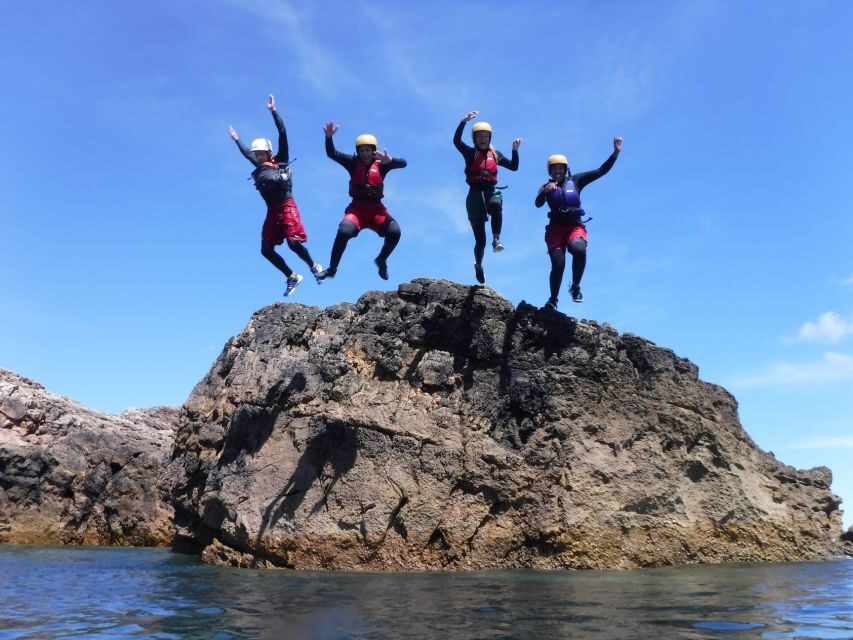
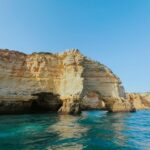
Most Algarve tours show you the coast from above, from a viewpoint, or from a boat. Coasteering flips that. You move along the rugged shoreline by combining swimming, scrambling, and controlled cliff entries into the ocean.
What makes it click is the rhythm. You’re not just jumping. You’re also swimming to the next section, climbing or rock-scrambling to get back up, then jumping again. That repetition keeps the adventure moving while still letting you build confidence at your own pace.
The best part for me is how the experience is structured around comfort. The guides are big on safety and instruction, but they’re also consistent about not pressuring anyone. If there’s a jump or climb you don’t want, there’s a safer alternative that still keeps you on the route.
Other sagres & cape st vincent tours we've reviewed in Algarve


Where You Start: Good Feeling Surf School in Raposeira
Your tour starts at the office at Good Feeling Surf School in Raposeira. It’s at the bottom of the drive from the guesthouse, so don’t overthink it once you’re there—follow signs and ask where the coasteering check-in happens.
This meeting point location matters more than it sounds. Coasteering involves timing, tides, and getting everyone kitted up quickly. When you start at a consistent place, the guides can focus on the fun part: teaching you how to move over rock and enter the water safely.
Gear Up Like a Pro: Wetsuit, Helmet, Buoyancy Aid, Gloves
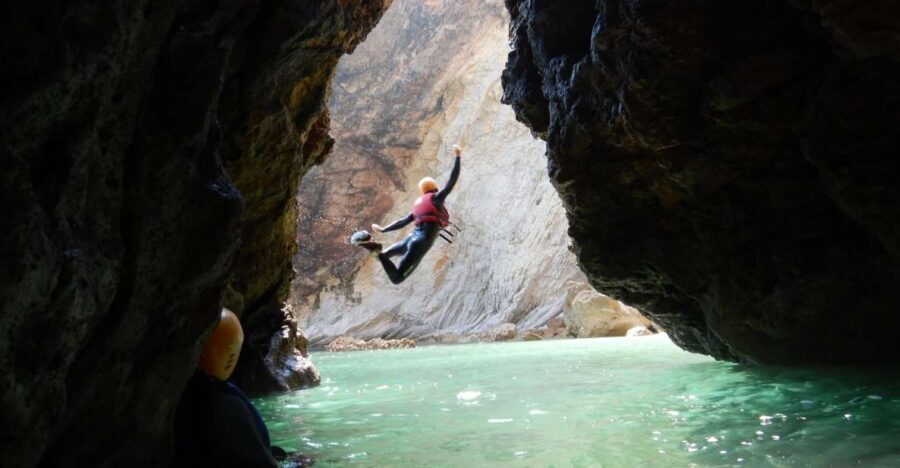
One reason this feels like good value: you don’t show up and improvise. You’re fitted with top-of-the-range coasteering safety equipment, including a helmet, a buoyancy aid, a wetsuit, and protective gloves.
This gear does a lot of work for you:
- The wetsuit helps with comfort during ocean swimming.
- The buoyancy aid supports you in the water so you can focus on breathing and timing.
- The helmet and gloves protect you during climbing, scrambling, and impact zones.
And yes, photos are included. Multiple people say the pictures are delivered shortly after the tour, which is a nice touch when you’re busy trying not to think about how high that next jump looks.
Towels aren’t included, so plan on drying off after. It’s the one basic item people forget, and it’s an easy fix.
Timing and Tides: Why Your Start Time Moves
Coasteering runs on tides, not on your watch. The exact start time depends on water levels, and you’ll be told the confirmed time by the local partner the day before.
In real life, that means your morning or afternoon needs a little breathing room. Build in flexibility so you’re not rushing from a café or trying to catch a bus at the last second. When the water is right, jumps and entries make more sense, and the whole route flows better.
If you love structure, this might feel like the one curveball. If you enjoy being outside and letting nature set the agenda, you’ll probably think it’s part of the charm.
The Main Event: Swimming the Algarve, Jumping Into Caves, Then Doing It Again
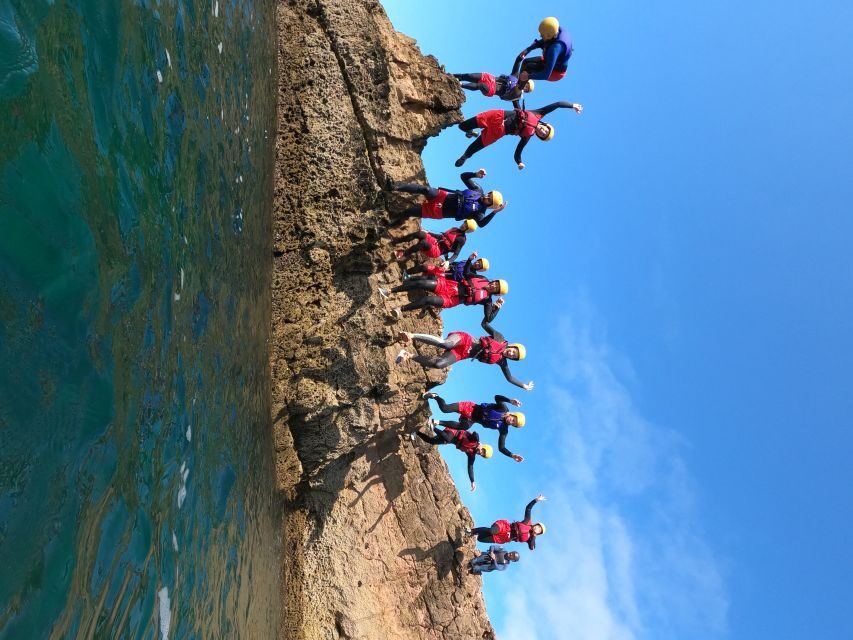
Here’s what you’ll actually be doing during the 3-hour adventure. You’ll traverse the Algarve’s rugged coastline in sections that alternate between:
- Swimming in clear ocean water
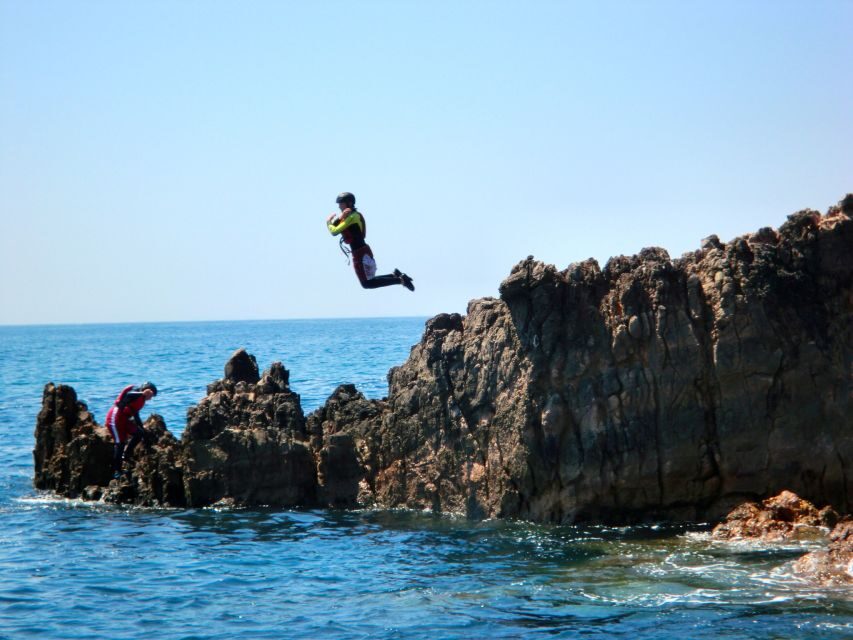
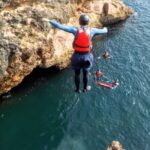
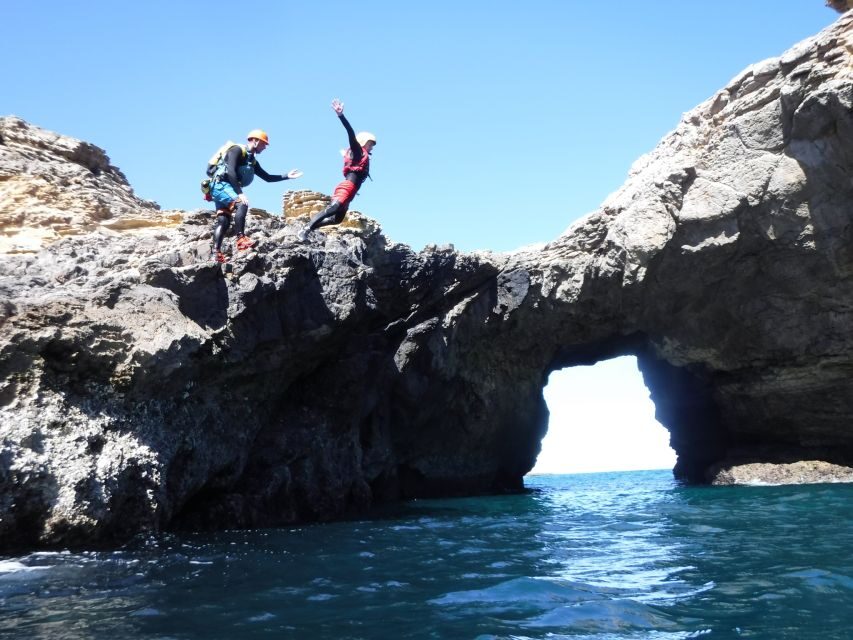
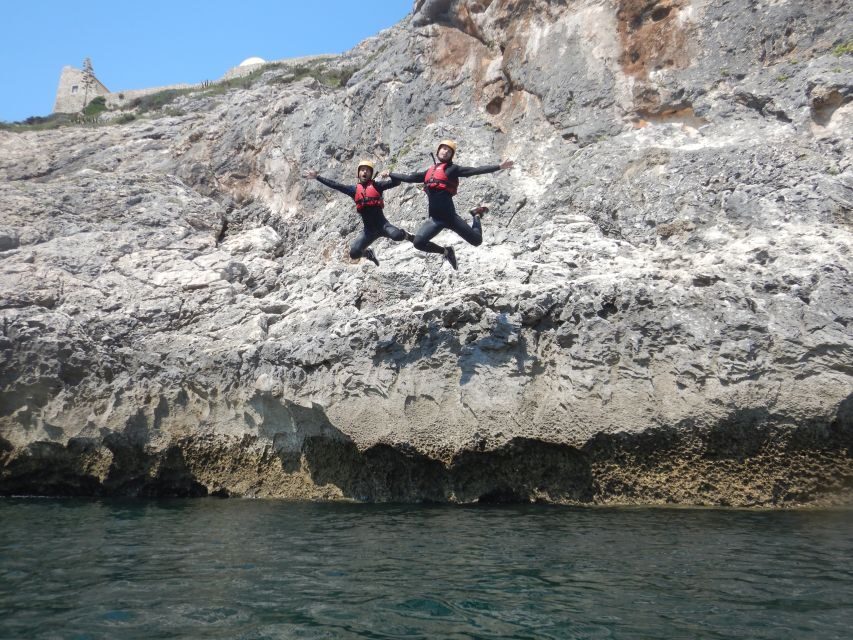
- Jumping from cliffs and rock ledges into the sea
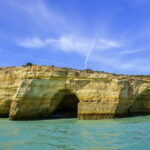
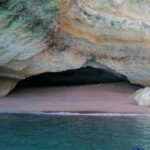
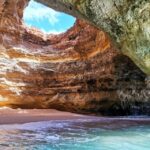
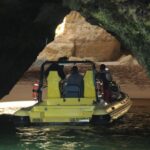
- Exploring and moving through areas that can include hidden caves
The standout detail in all the praise is how the caves and cliff entries feel like they’re built into the route, not tacked on as a bonus. You’re going to see the coastline from a perspective most people never get.
You’ll also move through multiple skill levels across the session. A common pattern is starting with smaller jumps to learn technique, then progressing if you feel ready. Importantly, guides adjust the route to match the group’s ability.
Other algarve hiking & coasteering we've reviewed in Algarve
Cave Time: Why Hidden Water Routes Are the Big Win
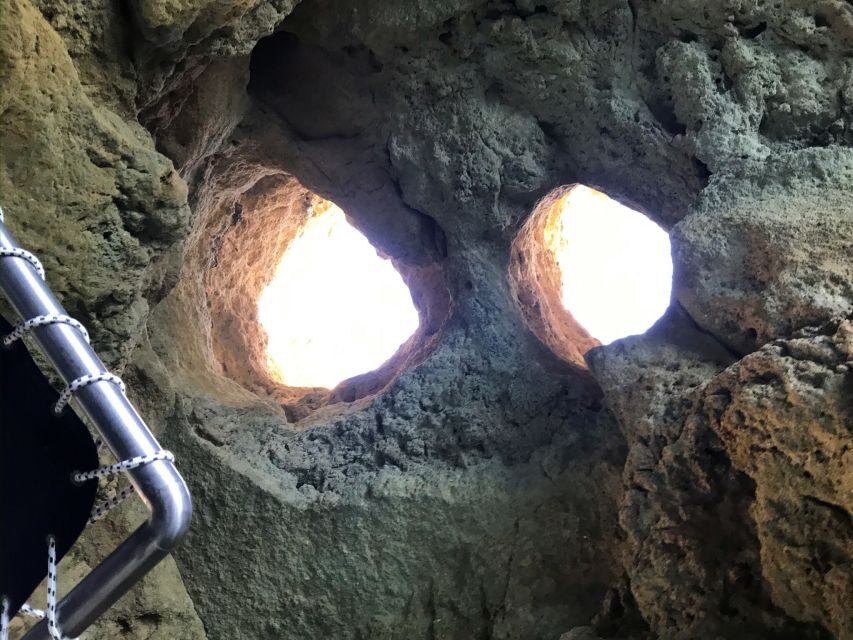
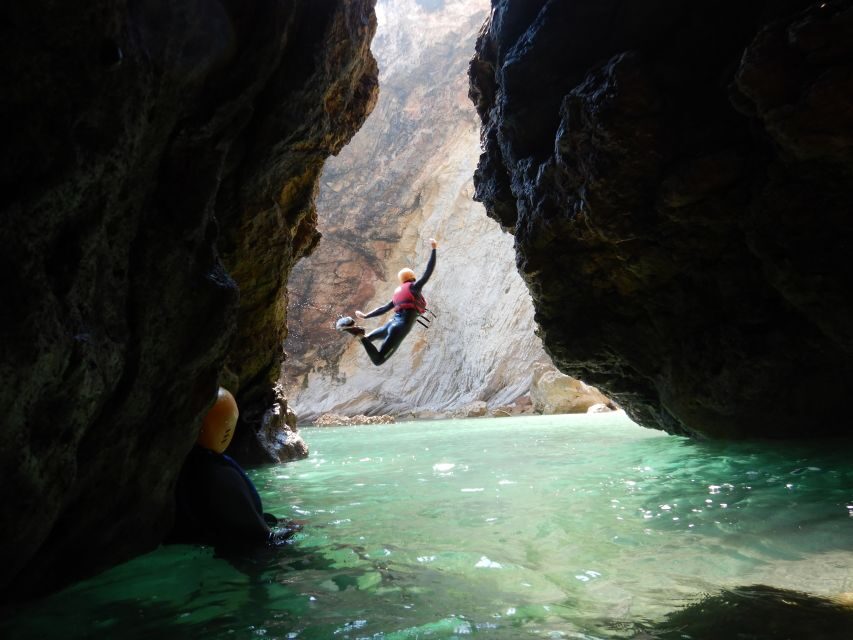
Caves are a major reason this tour earns near-perfect ratings. What you’re seeing is more than a pretty photo spot. You’re navigating a coastline feature that changes how you approach the water—timing matters, and the entry points matter.
Even if you’re not doing the biggest jumps, the cave sections still add that “how are we even doing this?” feeling. People repeatedly highlight that the caves are stunning and memorable, and you get them as part of the route rather than as a separate activity.
If you’re the type who loves weird geography—rock shapes, narrow paths, and water you can’t see from land—this is where you’ll start grinning.
Rock Climbing and Scrambling Without Pressure
Coasteering isn’t just jumping. You’ll also do rock climbing and scrambling to get from the waterline to the next jump point. That can sound intimidating, but you’re not sent out to figure it out alone.
The guides focus on instruction: how to move, how to handle transitions, and how to stay balanced on uneven rock. The experience is designed so activity difficulty matches your group, with easier alternatives when needed.
This matters if you’re scared of heights. Multiple people mention guides helping them step by step, encouraging them to push comfort zones while keeping the choice in your hands. That balance is key: confidence rises from clear technique and steady reassurance, not from intimidation.
Jump Heights You Can Expect: From Learning Jumps to Optional Bigger Ones
Jump heights vary. One clear reference point from the experience details is that jumps can range from about 1 meter up to around 12 meters, with bigger jumps typically being optional.
In practice, that means you can treat the session like a progression:
- Early on, you learn technique with smaller entries
- Later, you get the chance to try bigger jumps if you want
- If you don’t, you still keep moving through the route with easier alternatives
This is also where the best guiding shows up. A good guide reads the group, adjusts the plan, and keeps everyone safe while still making the adventure feel like it’s getting better, not harder for no reason.
How Guides Make Adrenaline Feel Controlled
The names that pop up most in the kind of praise you want to see are Callum, Bobby, Jim, and Anne Marie. The repeated theme isn’t just that the tour is fun. It’s that the guides manage fear, technique, and safety in a calm way.
Here’s what stands out as practical:
- Clear instructions before tricky parts
- Patient guidance when climbing gets harder
- Encouragement to try jumps without pressure
- Alternatives when someone isn’t comfortable
That approach matters because coasteering is physical and exposed. If you’re tense, you waste energy. If you’re confident, you move well and enjoy the views and water sections more.
Also, guides appear to tailor the route even when group numbers are small. One person notes it turned into a near-private outing for their group, which is a good reminder: your experience can feel more personal than you might expect.
Value Check: Is $70 Worth It for 4 Hours?
At around $70 per person for the 4-hour outing, this can look like “only for the thrill seekers.” But the value comes from what’s included and how much you get out of it.
You’re paying for:
- Guided coasteering along the coast
- Safety gear (helmet, buoyancy aid, wetsuit, gloves)
- An activity plan that adjusts to your ability
- High-quality photos
You’re also getting access to places you can’t easily reach safely on your own. The cliffs, the cave sections, the route rhythm—this is the kind of coastline you shouldn’t freestyle.
If you’re the kind of traveler who spends money to buy time and reduce risk, this price starts to make sense fast. You’re not renting gear and learning techniques from scratch. You’re following a trained lead through a real coastal route.
The one “cost” you should plan for is what you bring yourself: towel and the right wet-ready shoes.
What to Bring: Towel and Wet-Ready Shoes (Comfortable Shoes Too)
The basics are straightforward:
- Comfortable shoes
- Waterproof shoes
- Towel
It’s worth saying clearly: shoes are not an afterthought here. You’re stepping on rock and entering water. Even if you use waterproof shoes, they need decent grip and they need to handle wet conditions.
The tour also uses protective gloves and a wetsuit, so you’re covered for a lot of what could make this uncomfortable. But you’re still responsible for not showing up in brand-new footwear that turns into a slipper the minute you hit saltwater.
Bring a towel you’re happy using after. If you forget, you’ll be drying off with whatever you can find, and that gets old fast.
Who Should Book This Coasteering Session (and Who Should Skip It)
This is best for people who want active fun with a bit of adrenaline and don’t mind being in the ocean.
You’ll probably love it if you:
- Want to explore the Sagres coastline from the waterline
- Like guided adventures with built-in safety adjustments
- Enjoy learning new skills (swimming technique, climbing moves, jump entry timing)
- Are okay with the idea that the route is tide-based
It’s not suitable for:
- Children under 8
- People with mobility impairments
Also, it’s okay if you aren’t an expert swimmer. The tour notes that you don’t have to be an experienced swimmer, and you’ll have buoyancy aid support and guide instruction.
If you’re injury-prone or have a strong medical reason to avoid water-based cliff activity, skip it and choose a less exposed coastal tour.
Should You Book Sagres Coasteering?
If you want a standout Algarve day that feels authentic and physical, I’d book it—especially if you’re excited by cliffs, caves, and getting wet. The biggest reasons are simple: the route has real variety, the guides make it safe and adjustable, and you get photos to help you remember it without hunting for your own shots.
I’d also book it if you’re nervous about heights, because the guiding approach is built around technique and choice. You start smaller, learn what you need to learn, and then opt into bigger jumps if you want them.
I’d think twice only if you hate being on uneven rock, don’t do well with unpredictable timing from tides, or you need an activity with zero physical challenge. Coasteering is meant to be active.
If that sounds like your kind of day, this is one of the most memorable ways to see Sagres.
FAQ
How long is the coasteering tour in Sagres?
The tour lasts 4 hours total. The active coasteering time is about 3 hours.
What activities are included?
You’ll do a combination of swimming, cliff jumping, and rock climbing/scrambling along the Algarve coastline, with time to explore hidden caves.
Do I need to be an experienced swimmer?
No. You don’t have to be an experienced swimmer, but you should be comfortable getting in the water and following guide instructions.
Are the jumps and climbs mandatory?
No. The activities are matched to the group’s ability, and if there are jumps or climbs you don’t feel up to, the guides can offer easier alternatives.
What safety gear is included?
Helmet, buoyancy aid, wetsuit, and protective gloves are included.
Where do I meet for the tour?
Meet at the office at Good Feeling Surf School in Raposeira, at the bottom of the drive from the guesthouse.
What should I bring?
Bring comfortable shoes, a towel, and waterproof shoes.
Is this activity suitable for children?
No, it isn’t suitable for children under 8. It also isn’t suitable for people with mobility impairments.
Can I cancel or pay later?
Yes. You can reserve now & pay later. You can also cancel up to 24 hours in advance for a full refund.